“My Wi-Fi Was Slower Than Mobile Data — Here’s Why”

I recently found myself dealing with a frustrating situation involving my smartphone’s internet performance, which led me to seriously compare Wi-Fi and mobile data in a much deeper way than before.

At first, the issue seemed simple. While using my phone at home, I noticed that everything felt unusually slow. Videos buffered constantly, web pages took longer to load, and even basic apps like social media lagged more than expected. What confused me most was that other devices in the same environment—such as my laptop and tablet—were working perfectly fine on the same Wi-Fi network.

This made me question whether the problem was with my phone, the Wi-Fi itself, or something else entirely.

That moment became the starting point of my research into Wi-Fi versus mobile data.

To better understand the situation, I began comparing different opinions and solutions from various sources. I looked through online tech forums, read blog posts, and even checked advice from mobile carriers and customer support pages. Some sources strongly recommended optimizing Wi-Fi settings—suggesting router repositioning, frequency switching between 2.4GHz and 5GHz, and limiting connected devices. On the other hand, several mobile carrier resources emphasized the growing strength of 5G networks, claiming that mobile data could now outperform traditional Wi-Fi in many real-world scenarios. A few experts also highlighted that perceived speed issues are often not about raw speed, but about stability and latency.

As I compared these perspectives, I realized there was no single “correct” answer—only context-dependent conclusions.

What intrigued me most was why these recommendations differed so much. After digging deeper, I discovered that the differences came down to several key factors: infrastructure, environment, and usage patterns. Wi-Fi performance heavily depends on the quality of the router, its placement, interference from walls or other electronic devices, and how many users are connected at the same time. In contrast, mobile data performance is influenced by network coverage, signal strength, and congestion in specific areas. For example, in a densely populated area, even a strong 5G connection can slow down due to network traffic. Similarly, a high-speed home internet plan can still feel slow if the router is outdated or poorly positioned. This explained why some people strongly preferred Wi-Fi while others relied more on mobile data—their environments were simply different.

At this point, I decided to study the topic more systematically rather than relying only on scattered advice. I learned that Wi-Fi typically offers higher data throughput, making it ideal for heavy tasks such as streaming high-definition videos, downloading large files, or updating applications. However, its stability can fluctuate depending on physical obstacles and signal interference. I also discovered that modern Wi-Fi technologies like Wi-Fi 6 significantly improve speed and efficiency, but only if both the router and the device support it.

On the other hand, mobile data—especially 5G—has made remarkable progress in recent years. It offers lower latency and faster speeds in optimal conditions, sometimes even surpassing home Wi-Fi. More importantly, mobile data connections are inherently more secure because they are encrypted by cellular networks. This makes them a safer choice when dealing with sensitive activities such as online banking or personal transactions, particularly in public spaces. I also learned that public Wi-Fi networks are one of the biggest security risks, as they can expose users to data interception if proper precautions are not taken.

After going through this entire process of experiencing the issue, comparing different viewpoints, understanding the reasons behind conflicting advice, and studying the technical aspects, I reached my own conclusion.

My final choice was not to rely exclusively on either Wi-Fi or mobile data, but to use them strategically based on the situation.

At home, I chose to optimize my Wi-Fi setup by adjusting the router position, reducing interference, and ensuring fewer unnecessary connections. This significantly improved my speed and stability. For activities that require large amounts of data—such as streaming or downloading—I now consistently use Wi-Fi.

However, when I am outside or in environments where Wi-Fi networks are unreliable or potentially unsafe, I prefer using mobile data, especially 5G. I find it more stable in motion and more secure for tasks involving personal information. Even though it consumes my data plan, the reliability and security it provides are worth it in those situations.

In conclusion, this experience taught me that the question “Which is faster and safer—Wi-Fi or mobile data?” does not have a one-size-fits-all answer. Instead, the better approach is to understand the strengths and limitations of each option and apply them accordingly. By doing so, I was able to not only solve my original problem but also significantly improve my overall internet experience.


I Tried Everything to Fix My Wi-Fi — This Is What Actually Worked

When I first started experiencing Wi-Fi issues at home, it wasn’t something I immediately took seriously. At first, it felt like a temporary inconvenience—videos buffering slightly longer than usual, web pages loading just a bit slower. However, over time, the problem became more persistent and noticeable. What confused me the most was that the issue wasn’t consistent throughout my home. In some rooms, the connection was perfectly fine, while in others, especially the bedroom and kitchen, the signal would drop unexpectedly or become frustratingly slow. Even simple tasks like sending messages or opening apps that required internet access felt unreliable.

That was the moment I realized this wasn’t just a minor glitch, but a structural issue with my Wi-Fi setup that needed proper attention.

As I began to look into solutions, I quickly discovered that there were countless recommendations available online and from different sources. I compared advice from tech forums, customer support centers, internet service providers, and even electronics stores. Some suggested upgrading to a completely new router, while others insisted that a Wi-Fi extender would solve everything. A few recommended switching internet providers altogether, claiming that the issue was due to bandwidth limitations rather than signal strength. Interestingly, each source seemed confident in their own solution, but the suggested approaches varied widely in cost and complexity. This made the decision-making process more confusing than expected.

I started to question why there was such a difference in opinions. After digging deeper, I realized that the root cause of Wi-Fi problems can differ significantly depending on individual living environments. For example, someone living in a small apartment with thin walls might only need minor adjustments, while someone in a multi-story house with thick concrete walls could require a more advanced setup like a mesh network. Additionally, interference from nearby networks, household devices, and even furniture placement can drastically affect signal strength.

This explained why there wasn’t a one-size-fits-all solution and why different experts provided different recommendations based on their assumptions.

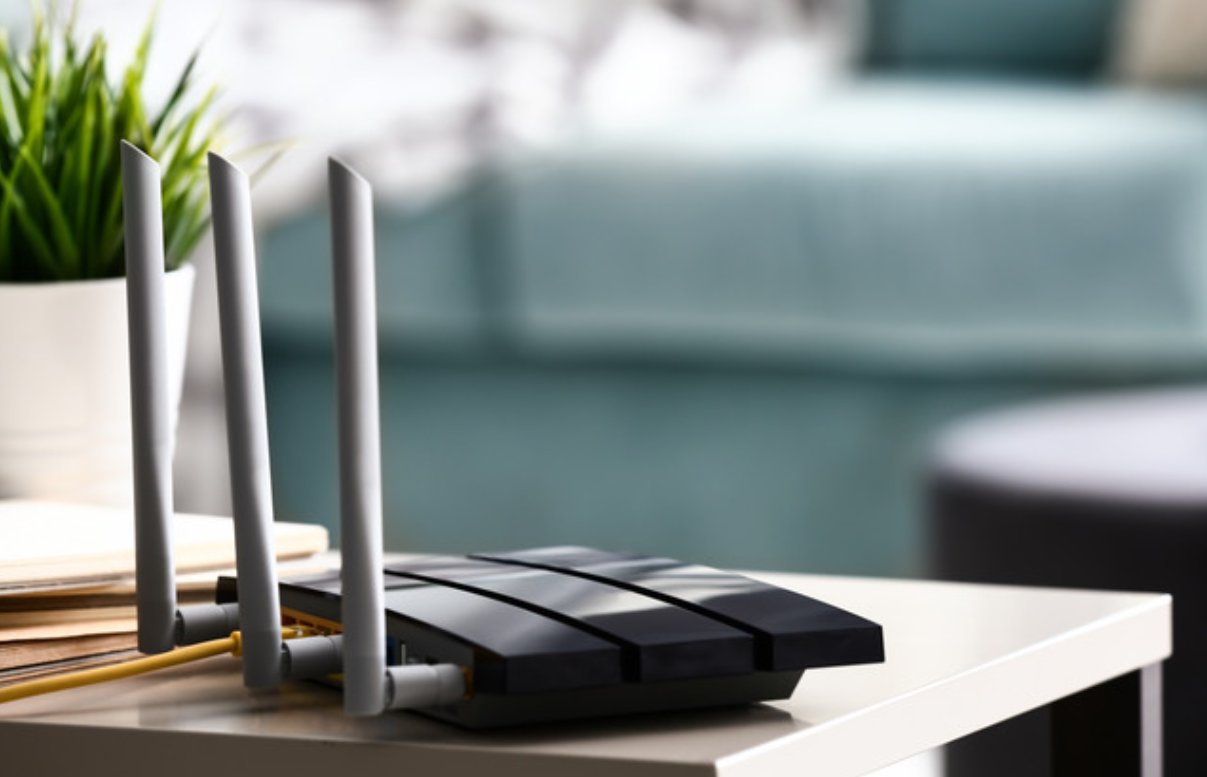
At this point, I decided to study the problem more systematically instead of blindly following a single suggestion. I focused on understanding how Wi-Fi signals actually work and what factors influence their performance. One of the most important things I learned was the significance of router placement. I discovered that placing the router in a corner or near walls limits the signal’s ability to spread evenly. This was exactly what I had been doing—my router was tucked away near a wall in the living room, partially hidden behind furniture.

I also learned that physical obstacles such as concrete walls, metal objects, and even large mirrors can weaken Wi-Fi signals. Another key factor was channel interference, especially in areas with many nearby networks. By accessing the router settings, I found that my Wi-Fi channel was overcrowded, which explained the unstable connection. Adjusting the channel to a less congested one immediately improved stability.

In addition, I explored hardware-related solutions. I looked into upgrading antennas and considered purchasing a Wi-Fi extender or even a mesh system. Through my research, I realized that while extenders can be helpful, they sometimes create separate networks and may not provide seamless connectivity. On the other hand, mesh systems offer a more integrated solution but come at a higher cost. I also learned the importance of keeping the router firmware updated and minimizing interference from other electronic devices like microwaves and Bluetooth equipment.

After carefully evaluating all the options and testing some of the simpler solutions, I made my final decision based on both effectiveness and cost-efficiency. Instead of immediately investing in expensive equipment, I started by optimizing what I already had. I repositioned my router to a more central and elevated location, away from obstacles and interference sources. I adjusted the antenna direction and changed the Wi-Fi channel to a less crowded one. These changes alone made a significant difference in signal strength across multiple rooms.

However, there were still a few weak spots in my home, particularly in areas farther from the router. At that point, I decided to invest in a mesh Wi-Fi system rather than a basic extender. The reason for this choice was its ability to provide seamless coverage without requiring manual switching between networks. Although it required a higher initial cost, the long-term stability and convenience made it a worthwhile investment.

In conclusion, what started as a frustrating everyday inconvenience turned into a valuable learning experience. By understanding the underlying causes of Wi-Fi issues and comparing different solutions, I was able to make an informed decision rather than relying on guesswork. The key takeaway from my experience is that improving Wi-Fi performance doesn’t always require expensive upgrades. In many cases, simple adjustments and a clear understanding of the problem can lead to significant improvements.

Ultimately, combining basic optimization with the right technology allowed me to achieve a stable and strong Wi-Fi connection in every room of my home.

Same Wi-Fi, Same Place… But My Phone Was Slower

Recently, I began to notice a frustrating issue with my smartphone’s Wi-Fi performance. While other devices connected to the same network, such as my laptop or tablet, were working perfectly fine, my phone alone seemed to suffer from slow internet speeds. Web pages took longer to load, videos buffered frequently, and even simple applications that required internet access responded sluggishly.

At first, I assumed that the issue might be related to my internet connection itself.

However, after observing that other devices were functioning without any problems, I realized that the issue was likely specific to my phone.

This made the situation more confusing, as I expected all devices on the same network to perform similarly.

As someone who relies heavily on a smartphone for communication, browsing, and entertainment, this issue quickly became inconvenient. I found myself repeatedly reconnecting to Wi-Fi or switching to mobile data, which was not an ideal long-term solution. At that point, I decided to investigate the root cause of the problem more thoroughly.

To better understand why my phone’s Wi-Fi was slow, I explored a variety of sources, including online articles, user forums, and technical guides. Through this process, I discovered that many people had experienced similar issues where only one device—especially a smartphone—had slow Wi-Fi performance.

Some sources suggested that background applications might be consuming bandwidth without the user’s knowledge. These apps could be syncing data, downloading updates, or refreshing content in the background, which would naturally slow down the device’s internet speed.

Other sources pointed out that outdated phone software could be a major factor. They explained that older operating systems might contain bugs or compatibility issues that negatively affect Wi-Fi performance.

Additionally, several guides emphasized the importance of signal strength. They noted that even if other devices seemed unaffected, a phone’s smaller antenna might make it more sensitive to weak signals, especially when located far from the router or behind obstacles like walls and furniture.

There were also recommendations regarding network congestion. Some sources explained that if too many devices were connected to the same Wi-Fi network, the available bandwidth would be shared, potentially causing slower speeds on certain devices.

Furthermore, a number of sources highlighted issues related to Wi-Fi settings. They mentioned that corrupted or outdated network configurations on the phone could lead to connectivity problems. Others even discussed storage limitations, explaining that a nearly full device could experience slower overall performance, including internet-related tasks.

Because each source focused on different causes, it was initially difficult to determine which solution would be most relevant to my specific situation.

After reviewing and comparing multiple sources, I realized that the differences in advice were due to the wide range of factors that can affect a phone’s Wi-Fi performance.

First, the issue is not caused by a single factor.

Instead, it can result from a combination of software, hardware, and environmental conditions. For example, background apps, outdated software, and weak signals can all contribute to slower Wi-Fi speeds, but each requires a different approach to resolve.

Second, each user’s situation is unique. Factors such as the type of phone, its age, storage capacity, and software version can all influence performance. Similarly, the physical environment, including the distance from the router and the presence of obstacles, can vary significantly from one person to another.

Third, usage patterns also differ. Some users may have many apps running in the background, while others may have multiple devices connected to the same network. These variations lead to different bottlenecks, which is why the solutions provided by different sources can appear inconsistent.

Understanding these reasons helped me realize that there is no universal fix for this issue. Instead, it is necessary to identify and address the specific factors affecting one’s own device.

Through my own testing and research, I gained a clearer understanding of the key factors affecting my phone’s Wi-Fi performance.

One of the most important discoveries was the impact of background applications. I noticed that several apps were actively using data even when I was not using them. By closing unused apps and restricting background data usage, I was able to reduce unnecessary bandwidth consumption.

I also learned the importance of keeping my phone’s software up to date. After installing the latest system updates, I observed improvements in overall performance and stability, including Wi-Fi connectivity.

Another factor I identified was signal strength. I realized that my phone’s connection weakened significantly when I moved farther away from the router or when obstacles such as walls were present. By positioning myself closer to the router, I experienced a noticeable improvement in speed.

Additionally, I examined my phone’s network settings. By resetting the Wi-Fi connection and reconnecting to the network, I was able to resolve potential configuration issues.

I also addressed storage-related concerns by clearing unnecessary files and deleting unused apps. This helped improve the overall responsiveness of my device, including internet-related functions.

Finally, I considered the possibility of router compatibility issues. By switching between different Wi-Fi bands and restarting the router, I ensured that my phone was connected in the most efficient way possible.

After testing various solutions, I decided to take a comprehensive approach rather than focusing on a single fix. I addressed multiple potential causes simultaneously to achieve the best results.

I began by managing background apps and limiting unnecessary data usage. I then updated my phone’s software to ensure optimal performance and compatibility. In addition, I adjusted my usage habits by staying within a reasonable distance from the router and avoiding signal interference.

I also reset my Wi-Fi settings to eliminate any configuration issues and cleared storage space to improve overall device performance. Finally, I ensured that my connection settings were optimized by selecting the appropriate Wi-Fi band.

I chose this approach because it allowed me to tackle several contributing factors at once without requiring expensive upgrades or complicated solutions. Instead of relying on a single assumption, I applied multiple practical improvements based on what I had learned.

As a result, my phone’s Wi-Fi performance improved significantly. The connection became faster, more stable, and more reliable for everyday use.

Through this experience, I realized that when only one device has slow Wi-Fi, the issue is often related to the device itself rather than the network, and a systematic approach is the most effective way to resolve it.

I Fixed My Slow Wi-Fi Just by Moving My Router

Recently, I began to feel increasingly dissatisfied with the performance of my home Wi-Fi.

Even though I was subscribed to a high-speed internet plan, the actual experience did not reflect the level of speed I was paying for.

Videos would buffer unexpectedly, certain areas of my home had noticeably weaker signals, and even simple tasks such as browsing websites or sending messages felt slower than they should have been.

At first, I assumed that the issue might be temporary or related to my internet service provider. However, as the problem continued for several days, I started to question whether something within my own home environment was causing the issue. What made the situation more frustrating was that I had already invested in a faster internet plan, expecting a clear improvement in performance. Instead, I continued to experience inconsistent speeds and unstable connections depending on where I was in my home.

As someone who relies heavily on the internet for daily activities such as streaming, browsing, and managing personal tasks, this problem quickly became inconvenient. I realized that simply upgrading my internet plan was not enough, and I needed to understand what factors within my home might be affecting my Wi-Fi performance.

To better understand the problem, I explored a wide range of sources, including technology blogs, online forums, and troubleshooting guides. Through this process, I discovered that many people were experiencing similar issues, even when using high-speed internet plans.

Some sources emphasized that router placement was one of the most important factors affecting Wi-Fi performance. They explained that placing the router in a corner of the house could cause signals to be wasted outside rather than distributed evenly throughout the living space. Other sources recommended placing the router in a central location to improve coverage.

There were also suggestions about keeping the router elevated. Several guides pointed out that placing the router on the floor or inside furniture could block signals, while positioning it on a shelf or desk could significantly improve signal strength.

In addition, some sources highlighted the impact of physical obstacles such as concrete walls, metal objects, and large appliances, all of which can weaken Wi-Fi signals. Others focused on electronic interference, mentioning that devices like microwaves, Bluetooth devices, and cordless phones could disrupt the signal.

Some recommendations went further by suggesting adjustments to router antennas or even investing in additional equipment such as Wi-Fi extenders or mesh systems for larger homes.

Because each source focused on different aspects, it was initially difficult to determine which advice was most relevant to my situation.

After reviewing multiple sources, I came to understand that the variation in advice was due to the many different factors that influence Wi-Fi performance.

First, Wi-Fi performance is not determined by a single cause.

Instead, it is affected by a combination of factors such as router placement, physical environment, interference, and the layout of the home. Each of these factors can impact signal strength and coverage in different ways.

Second, every living environment is unique. For example, someone living in a small apartment may experience signal interference from neighboring networks, while someone in a larger house may struggle with weak coverage in distant rooms. The structure of the building, including walls and materials, also plays a significant role.

Third, the number and type of devices connected to the network can vary greatly between households. A home with multiple devices streaming videos simultaneously will experience different challenges compared to a single-user environment.

Because of these differences, each source tended to focus on specific factors based on common scenarios, which is why the advice appeared inconsistent at first.

Through my own research and testing, I gained a clearer understanding of how router placement directly affects Wi-Fi performance.

I learned that placing the router in a central location is one of the most effective ways to improve signal coverage. Since Wi-Fi signals spread in all directions, positioning the router near the center of the home allows the signal to reach more areas evenly.

I also discovered that keeping the router elevated can significantly improve performance. When the router is placed on the floor or inside enclosed spaces such as cabinets or closets, the signal becomes obstructed. Moving the router to a higher position, such as a shelf or desk, allows the signal to travel more freely.

Additionally, I found that avoiding obstacles is crucial. Thick walls, metal objects, mirrors, and large appliances can weaken signals, so minimizing these barriers between the router and devices is important.

Another important factor I identified was electronic interference. Devices such as microwaves and Bluetooth equipment can disrupt Wi-Fi signals, so maintaining distance between these devices and the router can help maintain a stronger connection.

I also learned that adjusting router antennas can improve signal distribution, especially in multi-story homes. Furthermore, I realized that in some cases, using Wi-Fi extenders or mesh systems may be necessary to eliminate dead zones in larger spaces.

After testing various approaches, I decided to focus on optimizing my router placement rather than immediately upgrading my internet plan or purchasing expensive equipment.

I repositioned my router to a central location within my home to ensure more even signal distribution. I also placed it in an elevated and open area, avoiding enclosed spaces and minimizing interference from walls and electronic devices.

In addition, I made small adjustments such as ensuring that there were fewer obstacles around the router and maintaining distance from devices that could cause interference.

I chose this approach because it addressed multiple potential causes at once without requiring significant additional cost. Instead of relying on a single solution, I applied several practical improvements based on my understanding of how Wi-Fi signals behave.

As a result, I experienced a noticeable improvement in Wi-Fi performance. The signal became more consistent throughout my home, and activities such as streaming and browsing became smoother and more reliable.

Through this experience, I realized that optimizing router placement is one of the most effective and simplest ways to improve Wi-Fi performance.

By understanding and applying these principles, it is possible to achieve better results without necessarily upgrading to a more expensive internet plan.

I Paid for Fast Internet… But My Wi-Fi Was Still Slow

Recently, I found myself increasingly frustrated with my home Wi-Fi performance. Despite paying for a high-speed internet plan, my actual experience did not match the promised speed. Videos would buffer unexpectedly, websites loaded slowly, and even simple online tasks felt delayed.

At first, I assumed the issue might be temporary or related to my internet service provider. However, the problem persisted over several days. What confused me the most was that I had already upgraded to a faster internet plan, expecting a noticeable improvement. Instead, the performance remained inconsistent and unreliable.

As someone who depends heavily on the internet for daily activities, including browsing, streaming, and managing tasks, this situation quickly became inconvenient. I realized that simply having a high-speed plan might not be enough, and I needed to understand what was actually causing the slowdown.


To better understand the issue, I explored various sources such as technology blogs, online communities, and troubleshooting guides. I found that many people were experiencing similar problems, even with high-speed internet plans.

Some sources suggested that the router itself might be the problem, especially if it was outdated. Others emphasized the importance of router placement, stating that poor positioning could weaken the signal significantly.

There were also recommendations about limiting the number of connected devices, as multiple devices can divide the available bandwidth. Additionally, some guides highlighted the role of interference from other electronics or nearby Wi-Fi networks.

Other sources pointed out that background apps and automatic updates might consume bandwidth without the user realizing it. A few even mentioned that the issue could sometimes be related to the internet service provider’s network congestion.

Because each source focused on different factors, it was initially difficult to determine which solution would be the most relevant to my situation.


After comparing multiple sources, I realized that the differences in advice were due to the wide range of factors that can affect Wi-Fi performance.

First, slow Wi-Fi is not caused by a single issue.

It can result from hardware limitations, environmental factors, or network usage patterns. Each of these causes requires a different solution.

Second, individual environments vary greatly. For example, people living in apartments may experience more signal interference from neighboring networks, while those in larger homes may struggle with coverage due to distance.

Third, the number and type of devices connected to the network can significantly impact performance. A household with multiple devices streaming content simultaneously will experience different issues compared to a single-user setup.

Understanding these differences helped me realize that there is no one-size-fits-all solution, and that identifying the root cause is essential.


Through my research and testing, I learned several important factors that influence Wi-Fi speed.

First, I discovered that having a high-speed internet plan does not guarantee fast Wi-Fi performance.

The router plays a crucial role, and an outdated router can limit the speed regardless of the plan.

Second, router placement turned out to be more important than I initially thought. Moving the router to a central and elevated location improved signal distribution across my home.

Third, I realized that too many connected devices can slow down the network. By disconnecting unused devices and managing bandwidth usage, I was able to improve overall speed.

I also learned that interference from other devices can disrupt Wi-Fi signals. Switching to the 5 GHz band and adjusting the Wi-Fi channel helped reduce interference.

Additionally, monitoring background activity revealed that some apps were using bandwidth without my knowledge. Disabling unnecessary background processes helped free up network resources.


After testing various solutions, I decided to take a comprehensive approach to improving my Wi-Fi performance.

I upgraded my router to a modern model that supports higher speeds and better device management. I also repositioned it to a central location in my home to ensure better signal coverage.

In addition, I limited the number of connected devices by disconnecting those that were not actively in use. I also made adjustments to reduce interference and monitored background data usage more carefully.

I chose this approach because it addresses multiple potential causes rather than focusing on a single factor.

Instead of relying on one solution, I combined several small improvements that together made a significant difference.

As a result, my Wi-Fi speed became much more stable and consistent. Activities such as streaming, browsing, and working online are now smoother and more reliable.


Slow Wi-Fi can be frustrating, especially when you are paying for a high-speed internet plan. However, the issue is often not the plan itself, but various factors within your home network.

By understanding these factors and making practical adjustments, it is possible to significantly improve your Wi-Fi performance.

Taking the time to optimize your setup can help you fully enjoy the speed you are paying for and create a more reliable internet experience in your daily life.