
Recently, I found myself increasingly frustrated with my home Wi-Fi performance. Despite paying for a high-speed internet plan, my actual experience did not match the promised speed. Videos would buffer unexpectedly, websites loaded slowly, and even simple online tasks felt delayed.
At first, I assumed the issue might be temporary or related to my internet service provider. However, the problem persisted over several days. What confused me the most was that I had already upgraded to a faster internet plan, expecting a noticeable improvement. Instead, the performance remained inconsistent and unreliable.
As someone who depends heavily on the internet for daily activities, including browsing, streaming, and managing tasks, this situation quickly became inconvenient. I realized that simply having a high-speed plan might not be enough, and I needed to understand what was actually causing the slowdown.
To better understand the issue, I explored various sources such as technology blogs, online communities, and troubleshooting guides. I found that many people were experiencing similar problems, even with high-speed internet plans.
Some sources suggested that the router itself might be the problem, especially if it was outdated. Others emphasized the importance of router placement, stating that poor positioning could weaken the signal significantly.
There were also recommendations about limiting the number of connected devices, as multiple devices can divide the available bandwidth. Additionally, some guides highlighted the role of interference from other electronics or nearby Wi-Fi networks.
Other sources pointed out that background apps and automatic updates might consume bandwidth without the user realizing it. A few even mentioned that the issue could sometimes be related to the internet service provider’s network congestion.
Because each source focused on different factors, it was initially difficult to determine which solution would be the most relevant to my situation.
After comparing multiple sources, I realized that the differences in advice were due to the wide range of factors that can affect Wi-Fi performance.
First, slow Wi-Fi is not caused by a single issue.
It can result from hardware limitations, environmental factors, or network usage patterns. Each of these causes requires a different solution.
Second, individual environments vary greatly. For example, people living in apartments may experience more signal interference from neighboring networks, while those in larger homes may struggle with coverage due to distance.
Third, the number and type of devices connected to the network can significantly impact performance. A household with multiple devices streaming content simultaneously will experience different issues compared to a single-user setup.
Understanding these differences helped me realize that there is no one-size-fits-all solution, and that identifying the root cause is essential.
Through my research and testing, I learned several important factors that influence Wi-Fi speed.
First, I discovered that having a high-speed internet plan does not guarantee fast Wi-Fi performance.
The router plays a crucial role, and an outdated router can limit the speed regardless of the plan.
Second, router placement turned out to be more important than I initially thought. Moving the router to a central and elevated location improved signal distribution across my home.
Third, I realized that too many connected devices can slow down the network. By disconnecting unused devices and managing bandwidth usage, I was able to improve overall speed.
I also learned that interference from other devices can disrupt Wi-Fi signals. Switching to the 5 GHz band and adjusting the Wi-Fi channel helped reduce interference.
Additionally, monitoring background activity revealed that some apps were using bandwidth without my knowledge. Disabling unnecessary background processes helped free up network resources.
After testing various solutions, I decided to take a comprehensive approach to improving my Wi-Fi performance.
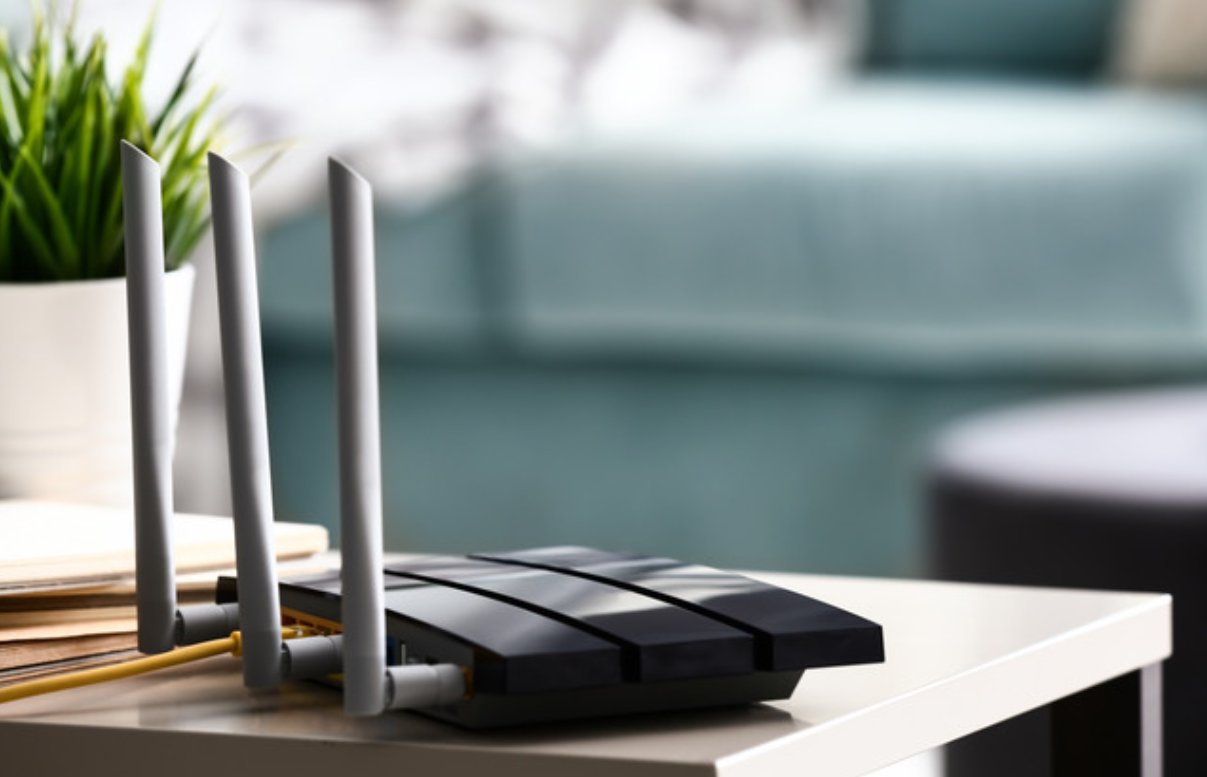
I upgraded my router to a modern model that supports higher speeds and better device management. I also repositioned it to a central location in my home to ensure better signal coverage.
In addition, I limited the number of connected devices by disconnecting those that were not actively in use. I also made adjustments to reduce interference and monitored background data usage more carefully.
I chose this approach because it addresses multiple potential causes rather than focusing on a single factor.
Instead of relying on one solution, I combined several small improvements that together made a significant difference.
As a result, my Wi-Fi speed became much more stable and consistent. Activities such as streaming, browsing, and working online are now smoother and more reliable.
Slow Wi-Fi can be frustrating, especially when you are paying for a high-speed internet plan. However, the issue is often not the plan itself, but various factors within your home network.
By understanding these factors and making practical adjustments, it is possible to significantly improve your Wi-Fi performance.
Taking the time to optimize your setup can help you fully enjoy the speed you are paying for and create a more reliable internet experience in your daily life.