
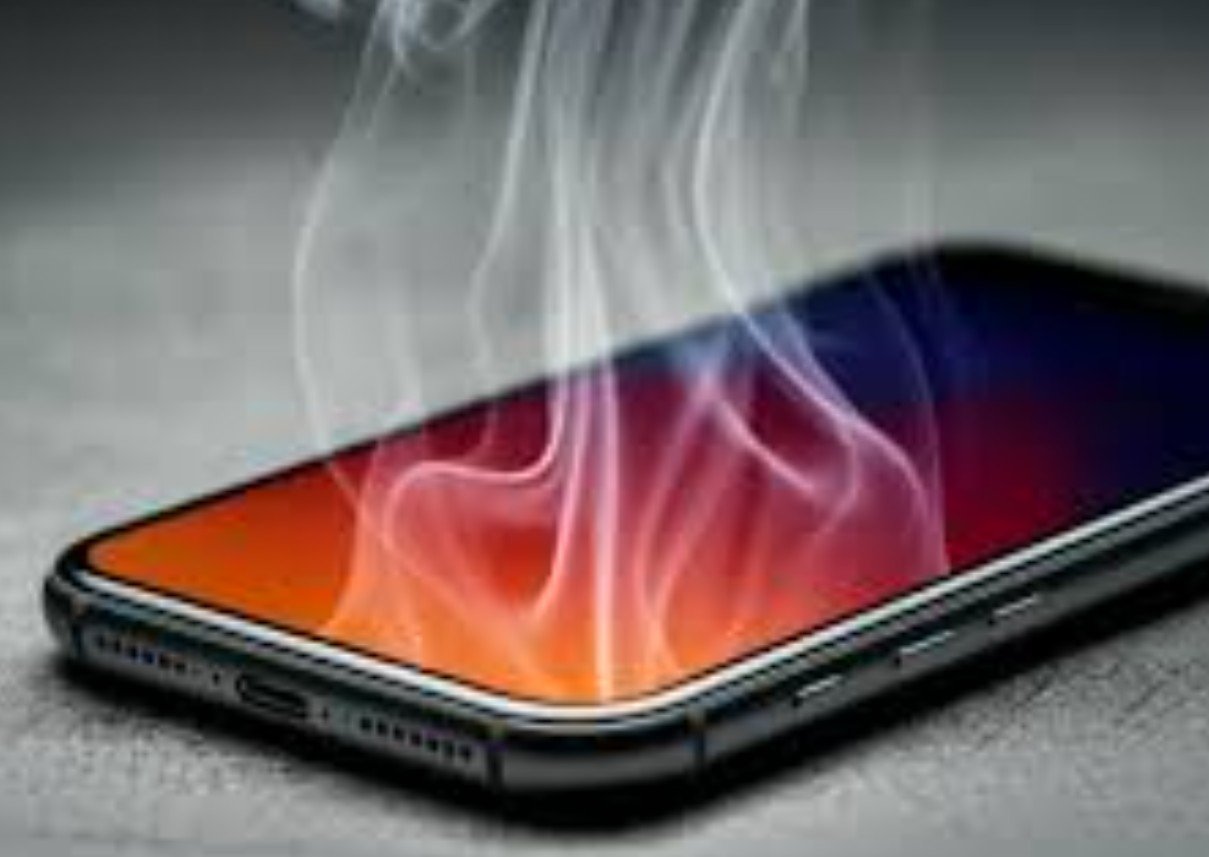
Recently, I began to notice that my smartphone was getting unusually hot during daily use. At first, I did not think much of it because slight warmth is common when using a phone for extended periods. However, the heat gradually became more noticeable and uncomfortable. Even during simple activities like browsing the internet or watching short videos, the device would sometimes feel hot to the touch.
The situation became more concerning when the phone heated up significantly while charging, especially if I used it at the same time. There were also moments when the performance seemed to drop slightly, such as slower response times or occasional lag. This made me wonder whether the overheating was affecting the overall health of my device.
Since I depend on my phone for communication, entertainment, and everyday tasks, I felt the need to understand the cause of this issue and find practical ways to manage it. This led me to research the reasons behind smartphone overheating and how to prevent it.
While researching, I explored various online resources, including technical articles, user forums, and general tech blogs. I noticed that while many sources discussed similar causes of overheating, their suggested solutions sometimes differed.
Some sources strongly emphasized reducing heavy app usage, especially gaming and video streaming, as the main solution. Others focused more on hardware-related factors, such as battery condition and charging habits.
There were also recommendations about closing background apps regularly, while some experts argued that modern smartphones already manage background processes efficiently, making manual closing less critical.
In addition, several sources highlighted environmental factors, such as avoiding direct sunlight or hot surroundings, while others emphasized software-related solutions like updating the operating system and apps.
Because of these differences, I initially found it difficult to determine which advice was the most reliable and effective.
After carefully comparing the information, I realized that the differences in advice were mainly due to the variety of factors that can cause overheating.
First, smartphone overheating does not have a single cause. It can result from heavy app usage, charging habits, environmental conditions, software issues, or battery health. Depending on which factor is most relevant, the recommended solution can vary.
Second, different users have different usage patterns. For example, someone who plays high-performance games frequently will experience overheating differently from someone who mainly uses basic apps. Therefore, the advice may be tailored to different types of users.
Third, device differences also play a role. Smartphones from different manufacturers may handle heat management differently, and newer devices may be more efficient than older ones.
Understanding these factors helped me realize that no single solution would completely solve the problem in all situations.
Through my own research and practical testing,
I learned that managing smartphone temperature requires a combination of simple habits and adjustments.
First, I realized that heavy app usage is one of the biggest contributors to heat.
Activities such as gaming or streaming videos for long periods place significant stress on the CPU and GPU. Taking breaks and avoiding prolonged heavy usage made a noticeable difference.
Second, I learned that using the phone while charging significantly increases heat.
By avoiding intensive activities during charging, I was able to reduce temperature spikes.
Third, managing background apps helped to some extent. While not all apps need to be manually closed, removing unnecessary apps and monitoring battery usage reduced overall system load.
I also found that environmental factors are very important. Keeping the phone in a cool place and avoiding direct sunlight prevented sudden temperature increases.
Finally, keeping the system and apps updated ensured that the device operated efficiently. I also became more aware of battery health, especially since older batteries tend to generate more heat.
After testing different methods, I decided to adopt a balanced and practical approach rather than focusing on just one solution.
I now avoid using heavy applications for long periods without breaks, especially games and streaming services. I also make it a rule not to use my phone intensively while it is charging.
Additionally, I regularly check for software updates and remove apps that I no longer need. I also pay attention to where I place my phone, ensuring it stays in a cool and well-ventilated environment.
I chose this approach because it addresses multiple causes of overheating rather than just one. Instead of reacting only when the phone becomes hot, I focus on preventing the issue in advance.
As a result, my phone now stays at a much more stable temperature, and I feel more confident about maintaining its performance and battery health over time.
A certain level of heat is normal when using a smartphone, especially during demanding tasks. However, frequent or excessive overheating should not be ignored.
By understanding the causes and applying simple preventive measures, it is possible to maintain a comfortable device temperature and extend the lifespan of your phone.
Taking consistent care of your device through small daily habits can make a significant difference in overall performance and reliability.