
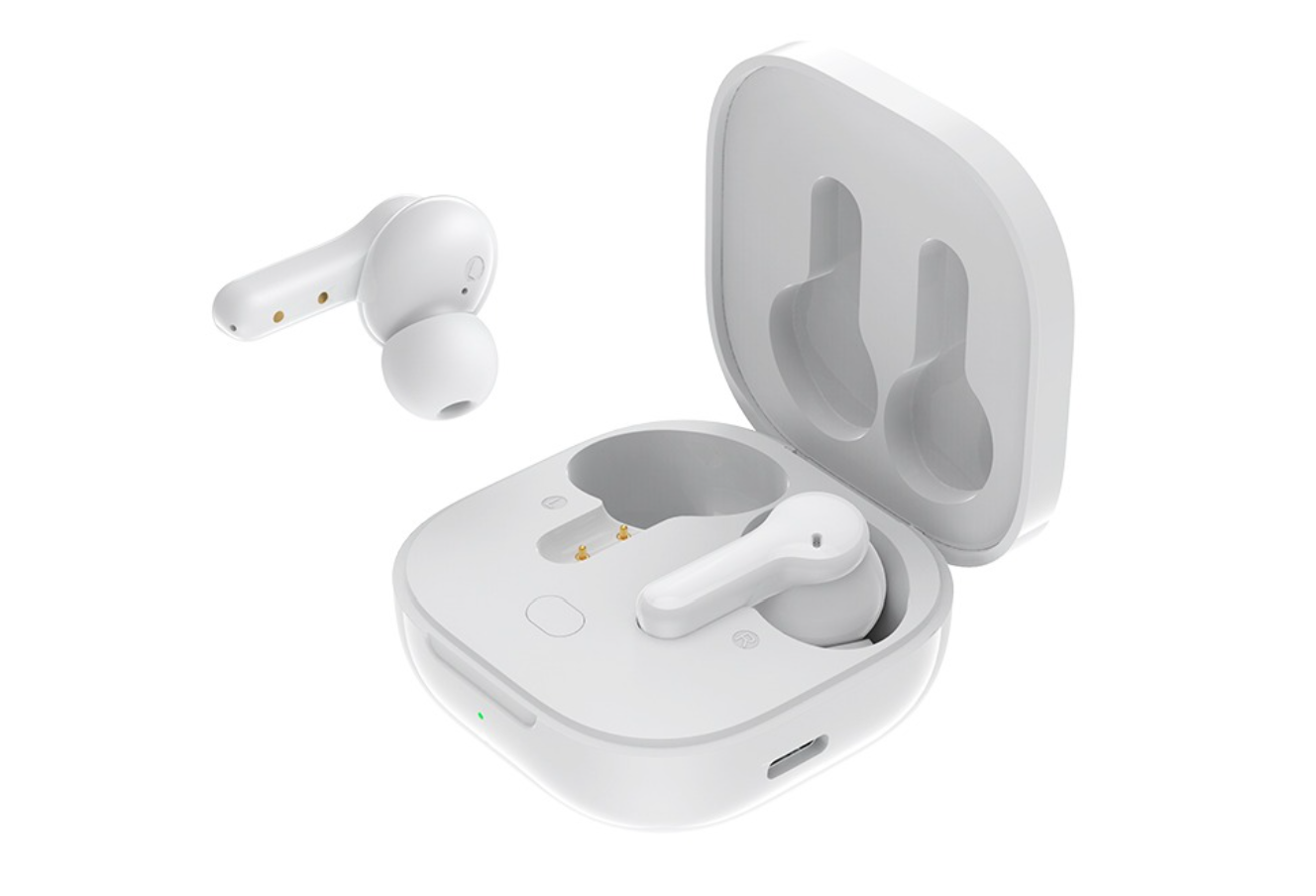
When I first started looking into the issue of poor Bluetooth audio quality, it was not out of simple curiosity but rather from a frustrating personal experience. I rely heavily on wireless earbuds and speakers in my daily life—whether I am listening to music while working, watching videos, or taking calls. At one point, I began noticing that the sound quality was not as good as I expected. Music sounded slightly muffled, certain details were missing, and sometimes the audio would feel compressed or even slightly distorted. At first, I assumed it might be a problem with my headphones, but even after switching devices, the issue persisted. That was the moment I realized I needed to understand what was actually happening.
As I tried to solve this problem, I explored various sources and compared advice from different places, including tech forums, blogs, and video explanations. Interestingly, the explanations were not always consistent. Some sources strongly emphasized Bluetooth codecs as the main cause, suggesting that upgrading to higher-quality codecs would solve most problems. Others focused more on environmental factors such as signal interference or distance between devices. There were also opinions highlighting hardware limitations, claiming that even with the best settings, Bluetooth would never match wired audio quality. This variety of explanations made the situation more confusing rather than clearer, because each source seemed confident in a different primary cause.
I then began to question why the answers differed so much. After spending more time analyzing the information,
I realized that Bluetooth audio quality is not determined by a single factor.
Instead, it is the result of multiple interacting variables. For example, one user might experience poor audio due to using the default SBC codec, while another might suffer from interference caused by crowded wireless environments. In some cases, the issue might even come from the audio source itself, such as low-bitrate streaming. Because each person’s setup is different—device model, software version, environment, and usage habits—the “main cause” can vary significantly. This explains why different experts prioritize different solutions based on what they encounter most frequently.
At that point, I decided to study the topic more systematically rather than relying on fragmented advice. I learned that Bluetooth audio relies on compression through codecs, which directly affects sound quality. Lower-quality codecs like SBC compress audio more aggressively, resulting in noticeable loss of detail. Higher-quality codecs such as aptX HD or LDAC preserve more information, but they require both the transmitting device and the receiving device to support them. I also learned that signal strength plays a critical role. Even with a high-quality codec, a weak or unstable connection can cause audio degradation. Interference from other devices operating in the same frequency band, especially in busy environments, can further reduce performance.
Additionally, I discovered that battery levels and software also influence audio quality. Low battery can cause devices to reduce performance, and outdated firmware can introduce inefficiencies or bugs. Perhaps most importantly, I realized that the quality of the audio source itself cannot be ignored. Even with perfect Bluetooth conditions, low-quality audio files or low streaming settings will still produce poor sound.
This helped me understand that improving Bluetooth audio is not about fixing a single issue but optimizing an entire chain of factors.
Based on everything I learned, I made a final decision on how to improve my own experience. Instead of focusing on just one solution, I took a comprehensive approach. I ensured that my devices supported better codecs and checked the settings to use the highest available option. I also made small but important changes to my environment, such as keeping my phone closer to my headphones and reducing interference from other wireless devices. I switched my Wi-Fi to a less congested band and made sure my devices were always sufficiently charged. On top of that, I upgraded my music streaming settings to higher quality.
The reason I chose this approach is because it addresses the root problem: Bluetooth audio quality is not limited by a single bottleneck.
By improving multiple aspects simultaneously—codec, signal stability, device compatibility, and audio source—I was able to achieve a noticeable improvement in sound quality.
While Bluetooth may still have inherent limitations compared to wired connections, I found that with the right adjustments, the difference becomes much less significant in everyday use.
Through this process, I not only solved my initial problem but also gained a deeper understanding of how wireless audio works. What started as a simple frustration turned into a valuable learning experience, and it changed the way I evaluate and use my devices moving forward.