
I Fixed My Slow Wi-Fi Just by Moving My Router

Recently, I began to feel increasingly dissatisfied with the performance of my home Wi-Fi.

Even though I was subscribed to a high-speed internet plan, the actual experience did not reflect the level of speed I was paying for.

Videos would buffer unexpectedly, certain areas of my home had noticeably weaker signals, and even simple tasks such as browsing websites or sending messages felt slower than they should have been.

At first, I assumed that the issue might be temporary or related to my internet service provider. However, as the problem continued for several days, I started to question whether something within my own home environment was causing the issue. What made the situation more frustrating was that I had already invested in a faster internet plan, expecting a clear improvement in performance. Instead, I continued to experience inconsistent speeds and unstable connections depending on where I was in my home.

As someone who relies heavily on the internet for daily activities such as streaming, browsing, and managing personal tasks, this problem quickly became inconvenient. I realized that simply upgrading my internet plan was not enough, and I needed to understand what factors within my home might be affecting my Wi-Fi performance.

To better understand the problem, I explored a wide range of sources, including technology blogs, online forums, and troubleshooting guides. Through this process, I discovered that many people were experiencing similar issues, even when using high-speed internet plans.

Some sources emphasized that router placement was one of the most important factors affecting Wi-Fi performance. They explained that placing the router in a corner of the house could cause signals to be wasted outside rather than distributed evenly throughout the living space. Other sources recommended placing the router in a central location to improve coverage.

There were also suggestions about keeping the router elevated. Several guides pointed out that placing the router on the floor or inside furniture could block signals, while positioning it on a shelf or desk could significantly improve signal strength.

In addition, some sources highlighted the impact of physical obstacles such as concrete walls, metal objects, and large appliances, all of which can weaken Wi-Fi signals. Others focused on electronic interference, mentioning that devices like microwaves, Bluetooth devices, and cordless phones could disrupt the signal.

Some recommendations went further by suggesting adjustments to router antennas or even investing in additional equipment such as Wi-Fi extenders or mesh systems for larger homes.

Because each source focused on different aspects, it was initially difficult to determine which advice was most relevant to my situation.

After reviewing multiple sources, I came to understand that the variation in advice was due to the many different factors that influence Wi-Fi performance.

First, Wi-Fi performance is not determined by a single cause.

Instead, it is affected by a combination of factors such as router placement, physical environment, interference, and the layout of the home. Each of these factors can impact signal strength and coverage in different ways.

Second, every living environment is unique. For example, someone living in a small apartment may experience signal interference from neighboring networks, while someone in a larger house may struggle with weak coverage in distant rooms. The structure of the building, including walls and materials, also plays a significant role.

Third, the number and type of devices connected to the network can vary greatly between households. A home with multiple devices streaming videos simultaneously will experience different challenges compared to a single-user environment.

Because of these differences, each source tended to focus on specific factors based on common scenarios, which is why the advice appeared inconsistent at first.

Through my own research and testing, I gained a clearer understanding of how router placement directly affects Wi-Fi performance.

I learned that placing the router in a central location is one of the most effective ways to improve signal coverage. Since Wi-Fi signals spread in all directions, positioning the router near the center of the home allows the signal to reach more areas evenly.

I also discovered that keeping the router elevated can significantly improve performance. When the router is placed on the floor or inside enclosed spaces such as cabinets or closets, the signal becomes obstructed. Moving the router to a higher position, such as a shelf or desk, allows the signal to travel more freely.

Additionally, I found that avoiding obstacles is crucial. Thick walls, metal objects, mirrors, and large appliances can weaken signals, so minimizing these barriers between the router and devices is important.

Another important factor I identified was electronic interference. Devices such as microwaves and Bluetooth equipment can disrupt Wi-Fi signals, so maintaining distance between these devices and the router can help maintain a stronger connection.

I also learned that adjusting router antennas can improve signal distribution, especially in multi-story homes. Furthermore, I realized that in some cases, using Wi-Fi extenders or mesh systems may be necessary to eliminate dead zones in larger spaces.

After testing various approaches, I decided to focus on optimizing my router placement rather than immediately upgrading my internet plan or purchasing expensive equipment.

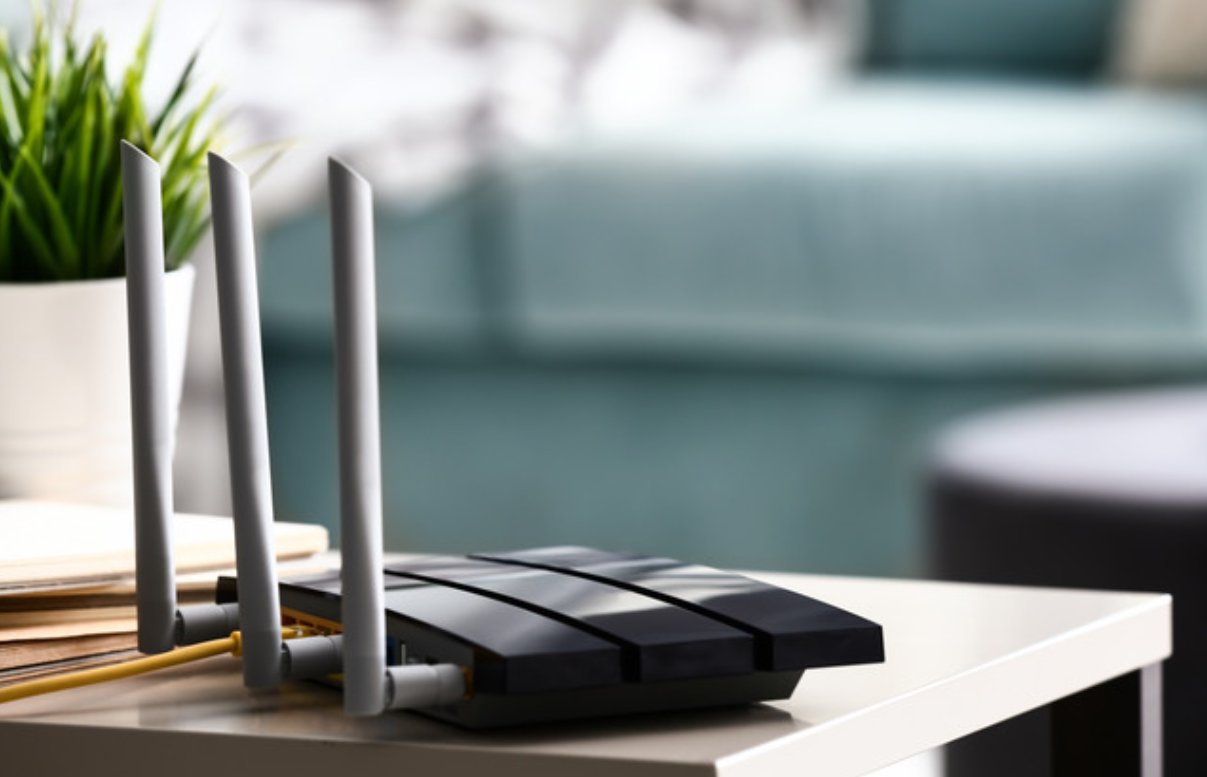
I repositioned my router to a central location within my home to ensure more even signal distribution. I also placed it in an elevated and open area, avoiding enclosed spaces and minimizing interference from walls and electronic devices.

In addition, I made small adjustments such as ensuring that there were fewer obstacles around the router and maintaining distance from devices that could cause interference.

I chose this approach because it addressed multiple potential causes at once without requiring significant additional cost. Instead of relying on a single solution, I applied several practical improvements based on my understanding of how Wi-Fi signals behave.

As a result, I experienced a noticeable improvement in Wi-Fi performance. The signal became more consistent throughout my home, and activities such as streaming and browsing became smoother and more reliable.

Through this experience, I realized that optimizing router placement is one of the most effective and simplest ways to improve Wi-Fi performance.

By understanding and applying these principles, it is possible to achieve better results without necessarily upgrading to a more expensive internet plan.
My Wi-Fi Said Connected… But Nothing Worked — Here’s Why

Recently, I encountered a very frustrating issue while using my smartphone and laptop at home.

Although my devices showed that they were connected to Wi-Fi, I was unable to access the internet.

The message “Connected, but no internet” appeared, and no matter what I tried, web pages would not load.

At first, I thought the issue would resolve itself after a short time. However, the problem continued to occur repeatedly. Even though the Wi-Fi signal appeared strong, I could not use any online services. This made it difficult to complete even simple tasks such as browsing the internet or checking messages.

Since I rely heavily on a stable internet connection for daily activities, this issue quickly became a major inconvenience. As a result, I decided to investigate the cause and find a reliable solution.


To resolve this issue, I explored various sources including technology blogs, online forums, and troubleshooting guides. I found that many users experienced the same problem, but the recommended solutions varied.

Some sources emphasized restarting the router and modem as the most effective solution. Others suggested focusing on the device itself, recommending actions such as restarting the device or reconnecting to the Wi-Fi network.

There were also recommendations about checking IP address conflicts and adjusting DNS settings. Some guides highlighted resetting network settings as a deeper solution for persistent issues.

Additionally, a few sources pointed out that the problem might not be on the user’s side at all, but rather due to an outage from the internet service provider.

Because each source focused on different causes, it was initially difficult to determine which solution would work best.


After comparing multiple sources, I realized that the differences in advice were due to the various possible causes of the “Connected, but no internet” error.

First, the issue can originate from different points in the network. While the device may be connected to the router, the router itself may not have access to the internet.

Second, the problem could be device-specific. Incorrect network settings, outdated software, or corrupted configurations can cause connection issues on a single device.

Third, network-related factors such as IP conflicts or DNS errors can prevent proper communication with websites.

Finally, external factors such as internet service provider outages can also cause the issue, even if everything appears normal on the user’s end.

Understanding these possibilities helped me realize that there is no single universal solution.


Through my research and testing,

I learned that solving this issue requires a step-by-step approach.

First, restarting the router and modem proved to be one of the most effective solutions.

This simple action can resolve many temporary network glitches.

Second, restarting my devices helped refresh the network connection and sometimes resolved the issue immediately.

Third, forgetting and reconnecting to the Wi-Fi network helped fix problems caused by outdated or corrupted settings.

I also learned that checking whether other devices have internet access is very useful. This helps identify whether the problem is with the network or a specific device.

Additionally, resetting network settings provided a deeper solution for persistent issues, although it requires reconnecting to all networks again.

Finally, changing DNS settings to a public DNS server improved connectivity in some cases.


After trying different solutions, I decided to adopt a structured approach to troubleshooting this issue.

Whenever the problem occurs, I first restart the router and modem, as this is the simplest and most effective step. If the issue persists, I restart my device and reconnect to the Wi-Fi network.

If the problem continues, I check whether other devices are affected to identify the root cause. I also use network reset and DNS changes when necessary.

I chose this approach because it allows me to quickly identify and resolve the issue without unnecessary steps. Instead of guessing, I follow a logical process that covers all possible causes.

As a result, I am now able to resolve this issue much more efficiently, and the frustration of being connected without internet has been greatly reduced.


The “Connected, but no internet” error can be confusing, but it is usually caused by identifiable issues such as router problems, network settings, or service outages.

By understanding how the connection works and applying simple troubleshooting steps, it is possible to resolve the issue quickly.

Taking a systematic approach to diagnosing the problem can save time and help restore a stable internet connection without unnecessary stress.

I Paid for Fast Internet… But My Wi-Fi Was Still Slow

Recently, I found myself increasingly frustrated with my home Wi-Fi performance. Despite paying for a high-speed internet plan, my actual experience did not match the promised speed. Videos would buffer unexpectedly, websites loaded slowly, and even simple online tasks felt delayed.

At first, I assumed the issue might be temporary or related to my internet service provider. However, the problem persisted over several days. What confused me the most was that I had already upgraded to a faster internet plan, expecting a noticeable improvement. Instead, the performance remained inconsistent and unreliable.

As someone who depends heavily on the internet for daily activities, including browsing, streaming, and managing tasks, this situation quickly became inconvenient. I realized that simply having a high-speed plan might not be enough, and I needed to understand what was actually causing the slowdown.


To better understand the issue, I explored various sources such as technology blogs, online communities, and troubleshooting guides. I found that many people were experiencing similar problems, even with high-speed internet plans.

Some sources suggested that the router itself might be the problem, especially if it was outdated. Others emphasized the importance of router placement, stating that poor positioning could weaken the signal significantly.

There were also recommendations about limiting the number of connected devices, as multiple devices can divide the available bandwidth. Additionally, some guides highlighted the role of interference from other electronics or nearby Wi-Fi networks.

Other sources pointed out that background apps and automatic updates might consume bandwidth without the user realizing it. A few even mentioned that the issue could sometimes be related to the internet service provider’s network congestion.

Because each source focused on different factors, it was initially difficult to determine which solution would be the most relevant to my situation.


After comparing multiple sources, I realized that the differences in advice were due to the wide range of factors that can affect Wi-Fi performance.

First, slow Wi-Fi is not caused by a single issue.

It can result from hardware limitations, environmental factors, or network usage patterns. Each of these causes requires a different solution.

Second, individual environments vary greatly. For example, people living in apartments may experience more signal interference from neighboring networks, while those in larger homes may struggle with coverage due to distance.

Third, the number and type of devices connected to the network can significantly impact performance. A household with multiple devices streaming content simultaneously will experience different issues compared to a single-user setup.

Understanding these differences helped me realize that there is no one-size-fits-all solution, and that identifying the root cause is essential.


Through my research and testing, I learned several important factors that influence Wi-Fi speed.

First, I discovered that having a high-speed internet plan does not guarantee fast Wi-Fi performance.

The router plays a crucial role, and an outdated router can limit the speed regardless of the plan.

Second, router placement turned out to be more important than I initially thought. Moving the router to a central and elevated location improved signal distribution across my home.

Third, I realized that too many connected devices can slow down the network. By disconnecting unused devices and managing bandwidth usage, I was able to improve overall speed.

I also learned that interference from other devices can disrupt Wi-Fi signals. Switching to the 5 GHz band and adjusting the Wi-Fi channel helped reduce interference.

Additionally, monitoring background activity revealed that some apps were using bandwidth without my knowledge. Disabling unnecessary background processes helped free up network resources.


After testing various solutions, I decided to take a comprehensive approach to improving my Wi-Fi performance.

I upgraded my router to a modern model that supports higher speeds and better device management. I also repositioned it to a central location in my home to ensure better signal coverage.

In addition, I limited the number of connected devices by disconnecting those that were not actively in use. I also made adjustments to reduce interference and monitored background data usage more carefully.

I chose this approach because it addresses multiple potential causes rather than focusing on a single factor.

Instead of relying on one solution, I combined several small improvements that together made a significant difference.

As a result, my Wi-Fi speed became much more stable and consistent. Activities such as streaming, browsing, and working online are now smoother and more reliable.


Slow Wi-Fi can be frustrating, especially when you are paying for a high-speed internet plan. However, the issue is often not the plan itself, but various factors within your home network.

By understanding these factors and making practical adjustments, it is possible to significantly improve your Wi-Fi performance.

Taking the time to optimize your setup can help you fully enjoy the speed you are paying for and create a more reliable internet experience in your daily life.

I Tried Everything to Fix Slow Wi-Fi — Here’s What Really Worked

Recently, I began experiencing persistent issues with my home Wi-Fi speed. At first, I assumed it was just a temporary slowdown, something that would resolve on its own after a short period. However, the problem continued for several days, and the internet remained consistently slow.

Simple tasks such as browsing websites, watching videos, or even using basic apps became frustrating. Videos would buffer frequently, pages loaded slowly, and overall responsiveness was noticeably reduced. What made the situation more confusing was that I had not changed my internet plan, nor had I significantly increased my usage.

Since I rely heavily on a stable internet connection for daily activities, this issue quickly became a serious inconvenience. As someone managing daily life independently, having unreliable Wi-Fi affected both productivity and comfort. This led me to seriously investigate the cause of the problem and explore practical solutions.


While researching, I explored various sources, including technology blogs, online forums, and troubleshooting guides. I noticed that while many sources addressed slow Wi-Fi issues, their recommendations often differed in focus.

Some sources emphasized router placement as the most important factor, suggesting that even small changes in position could significantly improve signal strength. Others focused on technical solutions such as changing Wi-Fi channels or updating router firmware.

There were also recommendations about limiting the number of connected devices, especially in households with multiple smart devices. Some guides suggested upgrading to a newer router, while others recommended using additional equipment like Wi-Fi extenders or mesh systems.

Because each source highlighted different solutions, it was initially difficult to determine which method would be the most effective for my specific situation.


After comparing multiple sources, I realized that the differences in advice were due to the various factors that can affect Wi-Fi performance.

First, slow Wi-Fi can be caused by multiple issues, including poor router placement, signal interference, outdated hardware, or network congestion.

Each of these causes requires a different solution.

Second, living environments vary. For example, people living in apartments may experience more interference from neighboring networks, while those in larger homes may struggle with coverage issues.

Third, the number and type of connected devices can significantly impact network performance. Households with many devices streaming or downloading data simultaneously are more likely to experience slower speeds.

Understanding these factors helped me realize that there is no single universal fix, and the most effective solution depends on identifying the specific cause.


Through my research and testing,

I learned that improving Wi-Fi speed requires a combination of practical adjustments rather than relying on a single solution.

First, I found that router placement has a major impact on performance. Moving the router to a more central and elevated location immediately improved signal strength in several areas of my home.

Second, restarting the router proved to be a simple but effective way to resolve temporary issues. This helped refresh the network and restore stable performance.

Third, I learned that interference from nearby networks and electronic devices can reduce Wi-Fi speed. Changing the Wi-Fi channel and switching to the 5 GHz band significantly improved connection quality.

I also realized that having too many connected devices can slow down the network. Disconnecting unused devices helped free up bandwidth and improve overall speed.

Additionally, updating the router firmware and considering hardware upgrades provided long-term improvements in performance and stability.


After trying different solutions, I decided to adopt a comprehensive approach to improving my Wi-Fi speed.

I repositioned my router to a central location and ensured that it was placed in an open area without obstructions. I also made it a habit to restart the router periodically to prevent performance issues.

In addition, I switched to the 5 GHz network when possible and limited the number of connected devices by disconnecting those that were not in use. I also checked for firmware updates and ensured that my router was running the latest version.

I chose this approach because it addresses multiple potential causes of slow Wi-Fi rather than focusing on just one factor. Instead of relying on a single fix, I implemented several small changes that together produced a significant improvement.

As a result, my internet speed became noticeably faster and more stable. Daily activities such as streaming, browsing, and working online became much smoother and more reliable.


Slow Wi-Fi can be frustrating, but it is often caused by manageable factors such as poor placement, interference, or network congestion.

By understanding the causes and applying simple adjustments, it is possible to significantly improve your internet performance without upgrading your plan.

Taking a proactive and consistent approach to managing your home network can make a meaningful difference in both speed and reliability.

I Didn’t Change Anything… So Why Was My Internet So Slow?

Recently, I began noticing that my internet speed at home had become unusually slow. At first, I assumed it was a temporary issue caused by network congestion or a problem with my internet service provider. However, the problem continued for several days, and the speed remained inconsistent.

Even simple activities such as browsing websites or watching videos became frustrating. Pages loaded slowly, and streaming content frequently buffered. What made the situation more confusing was that I had not changed my internet plan or increased my usage significantly.

As someone who relies heavily on a stable internet connection for daily life, this issue quickly became a serious inconvenience. I started to suspect that something else might be affecting my network performance. This led me to investigate the possibility of unauthorized access to my Wi-Fi network.


To better understand the issue, I explored various sources, including online articles, technical blogs, and user forums. I found that many people had experienced similar problems and suspected that unauthorized users might be connected to their Wi-Fi networks.

Some sources emphasized changing the Wi-Fi password as the most important step. Others recommended checking the list of connected devices through the router’s admin page to identify unknown users.

There were also suggestions about upgrading router security settings, such as switching to stronger encryption methods. Some guides recommended regularly restarting the router, while others focused on monitoring network activity.

Because each source highlighted different solutions, it was initially difficult to determine which method would be the most effective.


After comparing multiple sources, I realized that the differences in advice were due to the various ways unauthorized access can occur.

First, not all Wi-Fi networks are equally secure. Some users may have weak passwords or outdated security settings, making it easier for others to connect without permission.

Second, the level of network usage varies. In some cases, a slow connection may be caused by multiple devices within the same household rather than external users.

Third, different routers offer different features. Some routers provide detailed information about connected devices, while others have limited monitoring capabilities. This leads to variations in recommended solutions.

Understanding these factors helped me realize that there is no single universal solution, and the best approach is to combine multiple security measures.


Through my research and practical testing, I learned several important ways to secure my Wi-Fi network and prevent unauthorized access.

First, changing the Wi-Fi password to a strong and unique combination significantly improved security.

I realized that simple or commonly used passwords can be easily guessed.

Second, I learned how to access my router’s admin page and check the list of connected devices. This allowed me to identify any unfamiliar devices that might be using my network.

Third, updating the router’s security settings, such as enabling strong encryption (like WPA2 or WPA3), provided an additional layer of protection.

I also discovered the importance of restarting the router after making security changes. This forces all connected devices to reconnect using the new password, effectively removing any unauthorized users.

Additionally, monitoring network usage helped me understand how my internet was being used and detect any unusual activity.


After trying different solutions, I decided to adopt a comprehensive approach to securing my Wi-Fi network.

I changed my Wi-Fi password to a strong and secure one and updated the router’s security settings to the highest available level. I also made it a habit to periodically check the list of connected devices to ensure that only authorized devices are using my network.

Most importantly, I restarted my router after applying these changes. This step ensured that any previously connected unauthorized devices were disconnected and could not reconnect without the new password.

I chose this approach because it addresses both prevention and control. Instead of only reacting to slow speeds, I focused on securing my network proactively.

As a result, my internet speed became much more stable, and I no longer experienced unexpected slowdowns. This gave me confidence that my network was secure and functioning properly.


A sudden drop in internet speed can sometimes be caused by unauthorized access to your Wi-Fi network. While this issue can be frustrating, it is usually easy to resolve with a few simple steps.

By strengthening your network security, monitoring connected devices, and applying proper settings, you can protect your Wi-Fi from unwanted users.

Taking a proactive approach to network security not only improves internet speed but also helps protect your personal data and ensures a safer online experience.