I Didn’t Install Anything… So Why Was My Phone Full of Ads?

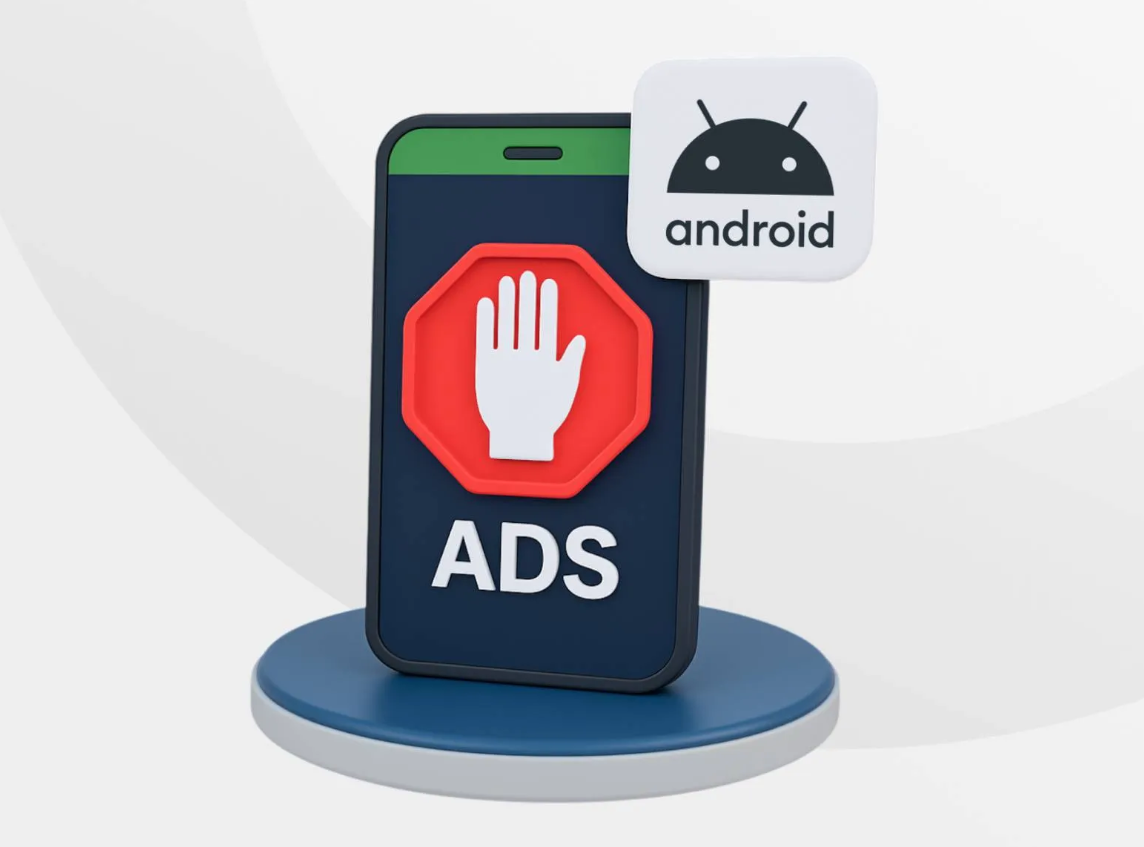
Recently, I began experiencing a very frustrating problem while using my Android smartphone. Suddenly, various types of advertisements started appearing without warning. These included pop-up ads that showed up even when I was not using any particular app, banner ads while browsing, and even strange notifications promoting products or games.

At first, I thought it was just a normal part of using free apps. However, the frequency of the ads kept increasing, and they began to interrupt my daily phone usage. Sometimes, ads would appear right on top of other apps, making it difficult to use my phone properly. This made the experience not only inconvenient but also concerning, as I started to suspect that there might be something wrong with my device.

Since I rely heavily on my smartphone for everyday tasks, I felt the need to understand the cause of these ads and find a reliable solution. This led me to research the issue more seriously.


While researching, I explored multiple sources including online blogs, tech forums, and user reviews. Interestingly, the advice I found varied significantly.

Some sources emphasized that ads are usually caused by recently installed apps and suggested uninstalling suspicious apps immediately. Others focused more on browser-related issues, recommending resetting browser settings or switching to a secure browser with ad-blocking features.

There were also suggestions about scanning the phone using mobile security apps to detect hidden adware or malware. Additionally, some guides highlighted the importance of disabling certain permissions, such as “appear on top,” which allows apps to display ads over other apps.

Because each source seemed to prioritize different solutions, it was initially confusing to determine which method would be the most effective.


After comparing various sources, I realized that the differences in advice were due to the multiple possible causes of ads on Android devices.

First, ads can originate from different sources, such as apps, browsers, or even malicious software. This means that the correct solution depends on the root cause of the problem.

Second, user behavior plays an important role. For example, installing apps from unknown sources or clicking on suspicious links increases the risk of adware. Therefore, different users may experience different causes for the same issue.

Third, Android devices vary depending on the manufacturer and software version. This can affect how permissions and security settings are managed, leading to variations in recommended solutions.

Understanding these factors helped me realize that there is no single universal fix for all ad-related problems.


Through my own research and testing, I learned that solving ad issues requires a step-by-step approach.

First, checking recently installed apps is extremely important. I discovered that certain apps were responsible for triggering unwanted ads. Removing those apps significantly reduced the number of ads.

Second, disabling notification ads helped prevent random promotional messages from appearing. This made the notification bar much cleaner and less distracting.

I also learned that using a secure browser with built-in ad blocking can greatly improve the browsing experience. It reduces pop-ups and enhances privacy at the same time.

Additionally, scanning the device for adware using a trusted security app helped identify hidden threats that were not immediately visible.

Finally, managing special permissions such as “appear on top” proved to be very effective in stopping intrusive pop-up ads.


After trying various solutions, I decided to adopt a comprehensive approach rather than relying on a single method.

I started by uninstalling suspicious apps and carefully reviewing any new apps before installing them. I also disabled unnecessary permissions, especially those that allow apps to display content over other apps.

In addition, I switched to a secure browser with ad-blocking features and made it a habit to regularly scan my device for potential threats.

I chose not to rely solely on one solution because the problem could come from multiple sources. Instead, combining several methods provided a more reliable and long-term solution.

As a result, the number of ads decreased significantly, and my overall phone experience became much smoother and more secure.


Ads on Android devices can be very disruptive, but they are usually caused by identifiable factors such as apps, permissions, or adware. By understanding these causes and applying the appropriate solutions, it is possible to eliminate most unwanted ads.

“If ads started appearing right after installing a new app, removing it will usually solve the problem.”

“Running a security scan can detect and remove these threats.”

“By checking installed apps, disabling permissions, and using secure browsing tools, you can remove most unwanted ads quickly.”

Maintaining good app management habits and staying cautious when installing new applications will help ensure a cleaner, faster, and safer Android experience over time.


My Phone Was Slow, Draining Battery, and Crashing — Here’s What Fixed It

Recently, I began experiencing several problems with my Android smartphone. At first, it was just a slight slowdown, but over time, the device became noticeably laggy. Apps would take longer to open, and sometimes they would suddenly crash without any warning. On top of that, the battery started draining much faster than before, even when I was not using the phone heavily.

There were also moments when the phone felt unusually warm, especially after using certain apps or charging it. Storage space warnings began appearing more frequently, and I occasionally had issues with Wi-Fi connectivity as well. These problems made daily usage inconvenient, especially since I rely heavily on my phone for both personal and practical tasks.

Because I live alone and depend on my smartphone for many aspects of daily life, I felt the need to find reliable solutions rather than ignoring the issues. This led me to start researching common Android problems and how to fix them effectively.


While researching, I explored various sources such as tech blogs, user forums, and official Android support guides. Interestingly, the solutions suggested were not always consistent.

Some sources emphasized simple fixes like restarting the phone, claiming that it alone could solve most issues. Others focused more on technical approaches, such as clearing cache, managing storage, or restricting background processes.

When it came to battery problems, some guides recommended lowering screen brightness and turning off connectivity features, while others stressed identifying apps that consume excessive battery. For app crashes, some sources suggested reinstalling apps immediately, while others advised clearing cache first.

Because each source highlighted different priorities, I found it difficult at first to determine which solutions were truly the most effective. This made me realize that I needed to understand the underlying reasons behind these issues rather than blindly following one method.


After comparing multiple sources, I realized that the differences in advice stem from several factors.

First, Android devices vary widely depending on the manufacturer and software version. Different brands implement their own system optimizations, which means that the same issue can behave differently across devices.

Second, user habits play a major role. For example, someone who installs many apps or plays heavy games may experience performance issues differently from someone who uses only basic apps.

Third, the root causes of problems are often not identical. A slow phone could be due to low storage, excessive background apps, or outdated software. Because of this, different sources may suggest different solutions based on what they consider the most common cause.

Understanding this helped me realize that there is no single universal fix. Instead, it is important to approach the problem from multiple angles.


Through my own research and testing, I learned that most Android issues can be resolved through simple but consistent management.

I found that restarting the phone is surprisingly effective. It clears temporary processes and refreshes the system, which can immediately improve performance.

I also learned that storage management is crucial. Deleting unnecessary files and uninstalling unused apps significantly improved both speed and stability. Clearing cached data also helped reduce minor glitches.

For battery issues, identifying which apps consume the most power made a big difference. Instead of guessing, checking battery usage in the settings allowed me to take targeted action.

Additionally, keeping apps updated and reinstalling problematic ones helped resolve frequent crashes. I also realized that overheating is often related to heavy usage or background activity, so closing unused apps and avoiding phone use during charging helped reduce heat.


After trying different solutions, I decided to adopt a balanced approach rather than relying on a single fix.

I now regularly restart my phone and monitor storage usage. I make it a habit to delete unnecessary files and uninstall apps that I no longer use. I also check battery usage periodically to identify problematic apps and manage them accordingly.

Instead of overcomplicating the process, I focused on simple, consistent habits that prevent issues from building up over time. This approach felt more practical and sustainable for daily life.

As a result, my phone now runs more smoothly, battery life has improved, and unexpected crashes occur far less frequently. These changes made a noticeable difference without requiring any professional help.


Many Android problems may seem serious at first, but most of them have simple solutions if approached correctly. The key is to understand the cause of the issue and apply practical fixes consistently.

“Restarting the device alone can often refresh the system and improve performance immediately.”

“Identifying battery-draining apps is often the fastest way to solve this issue.”

“Most Android problems look serious at first, but many of them have quick and simple solutions.”

By following these key principles and maintaining regular device management habits, it is possible to keep an Android smartphone running efficiently and reliably over time.

I Didn’t Even Use My Phone Much… So Why Was My Battery Dying So Fast?

Recently, I started noticing that my Android phone was not performing as well as it used to. Apps took longer to open, scrolling felt less smooth, and most importantly, my battery was draining much faster than expected. Even on days when I didn’t use my phone heavily, I found myself needing to charge it more often.

At first, I assumed the issue was simply due to the phone getting older. However, the slowdown felt too sudden to be just aging hardware. I also noticed that my phone would sometimes feel warm even when it was idle, which made me suspect that something was running in the background without my knowledge.

Because I rely on my phone daily, especially as someone living alone, this became more than just a minor inconvenience. I needed a practical solution, so I decided to look into the possible causes and fixes more seriously.


As I began researching, I checked multiple sources including tech blogs, online communities, and official Android support pages. Interestingly, the advice varied quite a bit depending on where I looked.

Some sources emphasized simply closing apps from the recent apps screen, suggesting that this would immediately improve performance. Others strongly recommended restricting background activity through settings, claiming it was a more effective long-term solution.

There were also recommendations about disabling background data, using battery optimization features, and even installing third-party “task killer” apps. However, a few expert opinions warned against using such apps, stating that they might actually worsen performance rather than improve it.

Because the advice was inconsistent, I realized I needed to understand not just what to do, but why these differences existed.


After comparing multiple sources, I understood that the reason for the conflicting advice comes down to how Android manages background processes.

Unlike older systems, modern Android is designed to handle background apps intelligently. Simply closing apps does not always stop them completely, because the system may restart necessary services automatically. This is why some people feel that swiping apps away does not make a lasting difference.

Additionally, different Android versions and manufacturers (such as Samsung, Xiaomi, etc.) have their own battery management systems. This leads to variations in settings and effectiveness, which explains why users report different results.

Another key reason is user behavior. For example, someone who uses many social media apps will experience more background activity than someone who mainly uses basic apps. Therefore, the “best” solution can differ depending on individual usage patterns.


Through deeper research,

I learned that managing background apps effectively requires a combination of methods rather than relying on just one solution.

First, I realized that closing apps from the recent apps screen is only a temporary fix. It can help in the moment but does not prevent apps from restarting in the background.

Second, restricting background activity through the settings menu is much more effective.

By limiting certain apps, I could directly reduce unnecessary battery consumption.

Third, disabling background data for non-essential apps helped reduce both data usage and hidden activity. This was particularly useful for apps that constantly refresh content, such as social media.

I also found that Android’s built-in battery optimization feature is quite powerful. Instead of manually controlling everything, allowing the system to optimize apps automatically provided a balanced approach.

Finally, I realized that uninstalling unused apps had the biggest impact.

Many apps I had forgotten about were still consuming resources in the background. Removing them not only improved performance but also freed up storage space.


After testing different methods, I decided not to rely on just one approach. Instead, I chose a combination of strategies that worked best for my situation.

I now regularly check and restrict background activity for apps that I do not need running all the time. I also turned off background data for certain apps and enabled battery optimization across most of them.

Most importantly, I made a habit of uninstalling apps that I no longer use. This alone made a noticeable difference in both battery life and overall performance.

I avoided using third-party task killer apps because they seemed unnecessary and potentially harmful based on expert advice.

As a result of these changes, my phone now runs much more smoothly, and the battery lasts significantly longer throughout the day.


Through this experience, I learned that background apps can have a major impact on Android performance and battery life. While there are many suggested solutions online, not all of them are equally effective.

By understanding how Android manages background processes and applying a combination of practical methods, I was able to solve the issue effectively.

If you are experiencing similar problems, I recommend not just following one tip, but taking a more comprehensive approach based on your usage habits. This will lead to much better and more consistent results.

I Wasn’t Downloading Anything… So Why Was My Storage Full?

Smartphones today offer increasingly large storage capacities, yet I found myself repeatedly facing the frustrating “Storage Almost Full” message. This was particularly confusing because I did not consider myself a heavy user who frequently downloads large applications or files. Despite what I believed to be moderate usage, my device would constantly warn me about low storage, and this began to interfere with everyday tasks such as taking photos, installing updates, or even receiving messages.

This situation prompted me to seriously investigate the underlying causes of the issue.

Initially, I assumed that the problem might be due to hidden system errors or unnecessary files that I could not easily access. However, as the issue persisted, I realized that I needed to take a more structured approach. I began researching the reasons why smartphone storage fills up quickly and explored various solutions through multiple sources, including technology blogs, online forums, and user reviews.

During this process, I compared advice from different sources and noticed that each one emphasized different factors. Some sources strongly highlighted photos and videos as the primary cause of storage consumption, while others focused more on app data and cache accumulation. Additionally, certain users pointed out messaging apps as the main culprit, especially due to automatic downloads of media files in group chats. There were also recommendations that emphasized system-related issues, such as hidden files and operating system updates.

This variation in perspectives initially made it difficult for me to determine the most accurate cause of my storage problem. However, as I continued comparing different opinions,

I came to understand that these differences were largely due to variations in user behavior and usage patterns.

For instance, users who frequently take photos and videos naturally experience higher storage consumption from media files, while those who actively use messaging apps accumulate large amounts of shared media. Similarly, users who install many applications are more likely to encounter issues related to app data and cache.

With this realization, I decided to study each factor in more detail rather than relying on general assumptions. I learned that photos and videos, especially those captured in high resolution or 4K format, occupy a significant amount of storage space. Even short video recordings can quickly accumulate into several gigabytes over time. I also discovered that duplicate images, screenshots, and blurry photos often go unnoticed but contribute heavily to storage usage.

In addition to media files, I gained a deeper understanding of how apps and their associated data affect storage. Many applications store cache files to improve performance, but these files can grow excessively over time. Social media apps and browsers, in particular, tend to accumulate large amounts of temporary data. By clearing cache and removing unused applications, I was able to free up a noticeable amount of space.

Another important aspect I studied was the role of messaging applications. I realized that many messaging apps automatically download images, videos, and documents from conversations, especially in group chats. Over time, these files accumulate without being actively noticed. By disabling automatic downloads and periodically reviewing stored media within chat settings, I significantly reduced unnecessary storage usage.

Furthermore, I explored the impact of cached files and temporary system data. While these files are designed to improve performance, they can occupy valuable storage if not managed properly. I found that regularly clearing cached data and restarting the device helps maintain a balance between performance and storage efficiency.

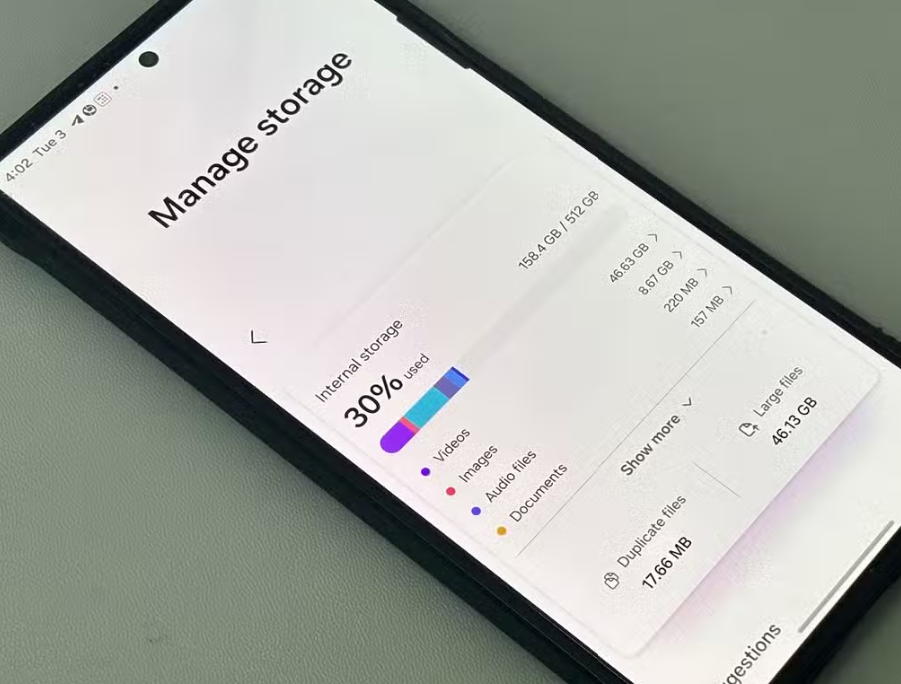
I also came to understand the role of system updates and hidden files. Operating system updates require additional storage space, and remnants of previous updates may remain on the device. Although these files are necessary for proper functionality, they can gradually reduce available storage. Using built-in storage analysis tools allowed me to identify and manage these hidden contributors.

After thoroughly analyzing all these factors,

I realized that my storage issue was not caused by a single source but rather a combination of multiple everyday habits.

Therefore, instead of focusing on just one solution, I decided to adopt a comprehensive and balanced approach. I began regularly backing up my photos and videos to cloud storage and deleting unnecessary or duplicate files. I also made it a habit to clear app cache, uninstall unused applications, and manage media within messaging apps.

My final decision was based on practicality and long-term sustainability. I wanted a solution that could be easily maintained without requiring constant effort or technical complexity. By incorporating small but consistent habits into my routine, I was able to effectively manage my phone’s storage and prevent the issue from recurring.

In conclusion, the problem of rapidly filling storage is not unusual, even for users who believe they are using their devices moderately. Through personal experience, comparison of various sources, and in-depth study, I was able to identify the true causes of my storage issue. By applying a combination of practical strategies, I successfully regained control over my device’s storage and improved its overall performance.

I Thought I Needed a New Phone… But These 5 Fixes Made It Fast Again

Smartphones play a crucial role in my daily routine, and I rely heavily on my Android device for communication, work-related tasks, and entertainment. However, after using my phone for a certain period of time, I began to notice a gradual decline in its performance. Applications started taking longer to open, switching between screens felt less responsive, and occasional lag became more frequent. Even simple actions such as typing or scrolling were not as smooth as before. This situation became increasingly frustrating, especially because it affected my productivity and overall user experience.

At first, I assumed that the slowdown was simply due to the natural aging of the device. I considered the possibility that I might need to replace my phone with a newer model. However, before making that decision, I wanted to explore whether there were practical ways to improve performance without spending money on a new device.

This led me to actively research methods to speed up Android phones and restore their responsiveness.

During my research process, I compared information from various sources, including technology blogs, online forums, YouTube tutorials, and official Android support documentation. Each source provided different suggestions, and while there were some common themes, the emphasis varied significantly. Some sources strongly recommended clearing cache as the most effective solution, while others focused on removing unused apps or limiting background processes. In contrast, certain experts highlighted advanced techniques such as adjusting developer settings or reducing animations to improve perceived speed.

This variation in recommendations initially caused confusion. I found myself wondering why there was no single, universally agreed-upon solution. Some users claimed that clearing cache made a dramatic difference, while others insisted that it had minimal impact. Similarly, while some emphasized the importance of restarting the phone regularly, others barely mentioned it at all.

As I continued to analyze these differences, I realized that the effectiveness of each method depends largely on how the device is used. For example, users who install many apps and frequently switch between them may experience more significant improvements by removing unused apps and restricting background activity. On the other hand, users who rarely restart their phones might benefit more from simply rebooting the system regularly. Additionally, older devices with lower hardware specifications are more sensitive to visual effects such as animations, making those optimizations more noticeable.

With this understanding, I decided to study each method in more depth rather than relying solely on general recommendations. I learned that cached data, while useful for speeding up app loading times, can accumulate excessively over time and occupy valuable storage space. When storage becomes limited, the overall system performance can decline. Therefore, periodically clearing unnecessary cache can help maintain smoother operation.

I also gained insight into how unused applications affect performance. Even if an app is not actively used, it may still occupy storage and run background processes that consume system resources. By uninstalling apps that I had not used for months, I was able to free up both storage and memory, which contributed to a noticeable improvement in performance.

Another important aspect I studied was background activity. Many applications continue to run services, sync data, and send notifications even when they are not open. This constant activity consumes CPU power and memory, which can slow down the device. By identifying resource-heavy apps and restricting their background activity, I observed a clear improvement in responsiveness.

In addition, I explored the impact of system animations. Android uses visual effects when opening apps, transitioning between screens, and performing various actions. While these animations enhance the visual experience, they can also make the device feel slower, particularly on older hardware. By reducing animation scales in Developer Options, I was able to make the phone feel significantly faster and more responsive, even though the actual processing speed remained the same.

Finally, I came to understand the importance of restarting the device regularly. Restarting clears temporary processes, refreshes system memory, and stops background activities that may accumulate over time. Although this is a simple step, it is often overlooked. After incorporating regular restarts into my routine, I noticed that my phone maintained a more consistent level of performance.

After thoroughly comparing, analyzing, and testing these different methods, I decided to adopt a balanced and practical approach.

Instead of relying on a single solution, I chose to combine several strategies that best matched my usage habits.

Specifically, I made it a habit to periodically clear cache, remove unused applications, and monitor background activity. I also reduced animation settings to improve responsiveness and ensured that I restart my phone every few days.

My final decision was based on practicality and sustainability. I wanted solutions that were easy to implement and did not require constant effort or technical expertise. By focusing on simple but effective maintenance habits, I was able to significantly improve my phone’s performance without needing to replace the device.

In conclusion, the slowdown of an Android phone is not caused by a single factor but rather a combination of storage usage, background activity, system settings, and user habits. Through personal experience, comparison of multiple sources, and deeper study, I was able to identify the most effective strategies for my situation. By consistently applying these methods, I successfully restored much of my phone’s original speed and improved my overall user experience.