My Phone Took Forever to Charge… Until I Fixed This

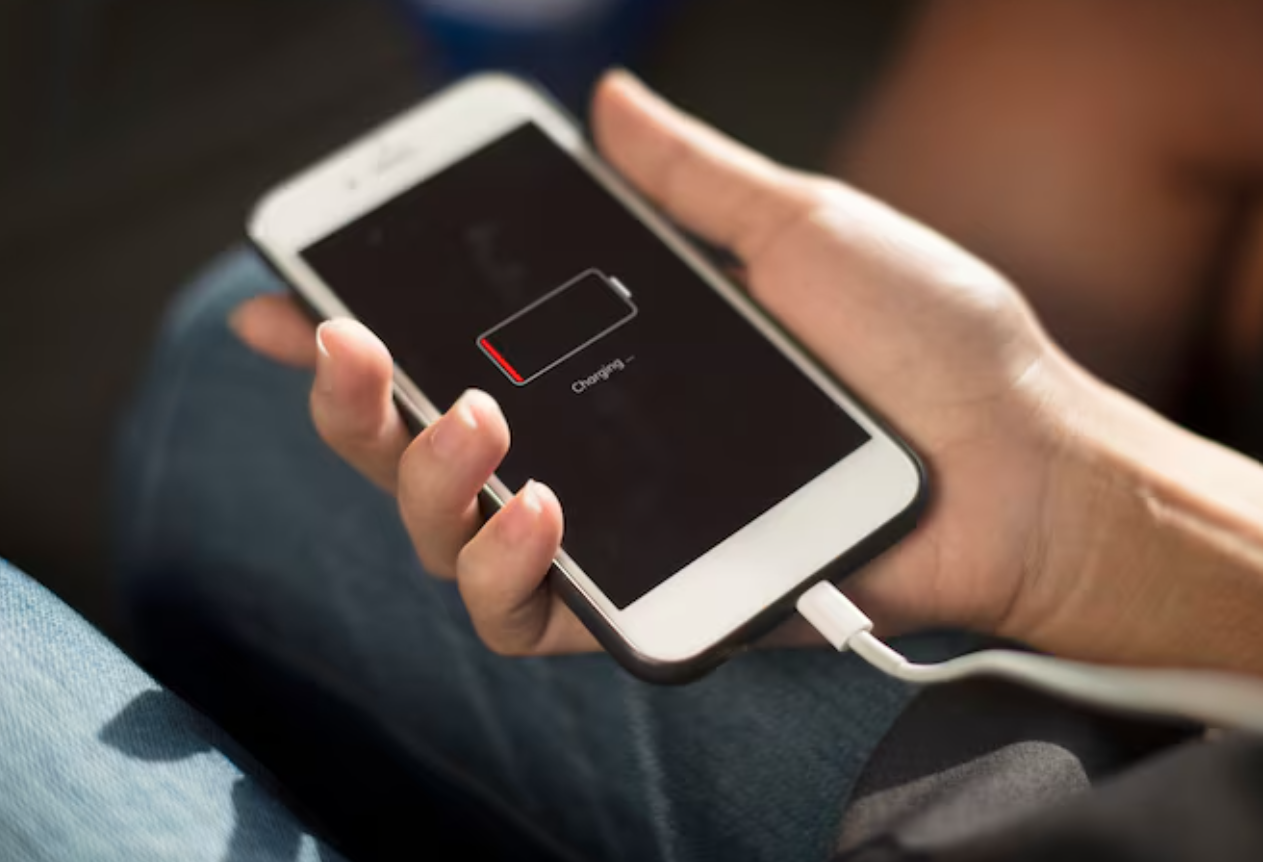
When I first started noticing that my phone was charging unusually slowly, I honestly thought it was just temporary. At first, it did not seem like a serious issue. However, over time, the problem became increasingly noticeable. What used to take about an hour or so to reach a decent battery level suddenly started taking several hours. There were even moments when I felt like the battery percentage barely moved despite being plugged in for a long time.

This became particularly frustrating in my daily routine. Since I rely heavily on my phone for communication, entertainment, and even work-related tasks, slow charging disrupted my schedule. There were times when I needed to go out, but my phone was still at a low battery level even after being connected to the charger for quite a while. That was when I realized I needed to seriously look into the issue instead of ignoring it.

To understand what was going on, I started comparing advice from various sources. I checked online articles, tech forums, and even watched several videos explaining slow charging problems. Additionally, I looked into user reviews and discussions where people shared their own experiences. Some sources emphasized hardware issues, while others focused more on software-related causes. I also considered visiting a repair shop, but before doing that, I wanted to gather as much information as possible myself.

What I found interesting was that different sources often gave slightly different explanations or priorities. Some claimed that the charging cable was the most common issue, while others insisted that battery degradation was the main cause. There were also conflicting opinions about whether using the phone while charging had a significant impact. At first, this inconsistency was confusing. However, after comparing multiple viewpoints,

I realized that the reason for these differences was quite simple: slow charging is not caused by just one factor.

It can result from a combination of several small issues rather than a single major problem.

As I continued researching, I began to organize the information I had learned. I discovered that charging speed depends heavily on the quality of the charging cable and adapter. Low-quality or damaged cables cannot deliver sufficient power, which slows down the entire process. I also learned that the power source matters more than I initially thought. Charging from a laptop or car USB port provides significantly less power compared to a proper wall outlet.

Another important factor I came across was the condition of the charging port. Dust and debris can accumulate inside the port over time, preventing a stable connection. This was something I had never considered before. In addition, background apps running on the phone can consume power even while charging, making it seem slower. Heat management also turned out to be crucial, as phones automatically reduce charging speed to prevent overheating.

Battery health was another key point in my research. Lithium-ion batteries naturally degrade over time, which affects both charging speed and overall battery performance. Finally, I learned that some devices have fast charging features that need to be manually enabled in the settings, which I had not checked before.

After gathering all this information, I decided to take a step-by-step approach rather than jumping to conclusions. I first replaced my charging cable with a certified, high-quality one. Then, I made sure to use a proper wall adapter that supports fast charging. I also carefully cleaned the charging port and started closing unnecessary background apps before charging. Additionally, I avoided using my phone while it was plugged in and made an effort to keep it cool.

The results were noticeable almost immediately. The charging speed improved significantly, and the overall experience became much more reliable. Fortunately, I realized that my issue was not due to severe battery degradation, so I did not need to replace the battery.

In the end, the reason I chose this approach was because it addressed multiple possible causes at once without requiring unnecessary expenses. Instead of assuming the worst and going straight for a battery replacement or repair service, I focused on the most common and easily fixable issues first. This not only saved money but also helped me better understand how my device works.

Through this experience, I learned that slow charging is often a result of small, overlooked factors rather than a single critical failure.

By taking the time to analyze the problem carefully and compare different sources of information, I was able to find an effective solution on my own.
I Kept Checking My Phone for Notifications… But There Were None (Here’s Why

I encountered a rather strange and confusing issue with my smartphone. I repeatedly felt my phone vibrate, only to check it and find no notifications, messages, or alerts. At first, I dismissed it as a minor misunderstanding or a momentary distraction. However, as the same experience continued to occur multiple times throughout the day, it became increasingly difficult to ignore.

The situation was particularly frustrating because it created unnecessary interruptions. Each time I felt the vibration, I instinctively reached for my phone, expecting something important. When nothing appeared, it left me feeling both confused and slightly concerned. Over time, this pattern began to affect my focus and productivity.

What made the situation even more puzzling was that the vibrations seemed completely random. They did not follow any clear pattern, nor were they tied to any visible app activity. This led me to consider several possibilities, including hidden notifications, software glitches, or even hardware-related issues.

Rather than continuing to guess, I decided to investigate the issue thoroughly. I wanted to understand whether this was a common problem and, more importantly, how it could be resolved effectively.


As I began researching the issue, I explored a wide variety of sources, including technology blogs, user forums, video tutorials, and support documentation. While many sources acknowledged the phenomenon of random or “phantom” vibrations, the explanations and solutions varied considerably.

Some sources strongly emphasized notification settings as the primary cause. They explained that many apps are configured to vibrate without displaying visible alerts, especially messaging or social media applications. Other sources focused on background activity, suggesting that apps syncing data silently could trigger vibrations without user awareness.

There were also explanations related to system-level features. Certain guides pointed out that haptic feedback, such as keyboard vibrations or touch responses, could be mistaken for notifications. Additionally, some sources highlighted system alerts like charging connections or biometric feedback as potential triggers.

Interestingly, a number of sources introduced the concept of “phantom vibration syndrome,” describing it as a psychological phenomenon where users perceive vibrations even when none occur. This added another layer of complexity to the issue.

Furthermore, opinions differed regarding the severity of the problem. Some sources treated it as a simple settings issue that could be resolved quickly, while others suggested deeper causes such as software bugs or misconfigured accessibility features.

Because of these differences, I realized that a single explanation would not be sufficient. I needed to examine each possibility carefully and determine which factors applied to my situation.


After comparing multiple perspectives, I came to understand why the advice varied so widely.

The main reason is that random phone vibrations can originate from multiple independent sources, each requiring a different approach to resolve.

For example, in cases where notifications are the primary cause, adjusting app settings can quickly solve the problem. However, if the vibrations are related to system feedback, such as haptic responses, then disabling those features becomes necessary.

Background app activity is another important factor. Some applications operate silently, syncing data or performing updates without displaying visible notifications. These actions can still trigger vibrations, leading users to believe that something unusual is happening.

The concept of phantom vibration syndrome further explains why some users experience vibrations that are not actually occurring. This psychological factor is influenced by habitual phone usage and the expectation of frequent notifications.

Software-related issues also contribute to the variation in advice. Bugs or glitches introduced by system updates can cause unexpected behavior, including random vibrations. In such cases, solutions like restarting the device or updating the software become relevant.

Ultimately, the diversity of advice reflects the complexity of the issue.

Since multiple factors can produce similar symptoms, different users may require different solutions based on their specific circumstances.


Through careful observation and testing, I gained several important insights into the causes of random phone vibrations.

First, I confirmed that notification settings played a significant role. Some apps were configured to vibrate without displaying clear alerts, which created the impression of unexplained activity. By reviewing and adjusting these settings, I was able to reduce unnecessary vibrations.

Second, I discovered that haptic feedback contributed more than I initially expected. Features such as keyboard vibration and touch feedback were subtle but frequent, making them easy to misinterpret as notifications. Disabling these features resulted in a noticeable reduction in perceived vibrations.

Third, I examined background app behavior and found that certain applications were actively syncing data. Although they did not display visible notifications, they still triggered vibration responses. Managing app permissions and limiting background activity helped address this issue.

I also considered the possibility of software glitches. Restarting my phone and ensuring that the system was updated to the latest version helped eliminate potential temporary errors.

Additionally, I explored accessibility settings and found that certain interaction features could generate unexpected feedback. Adjusting these settings further reduced irregular vibrations.

Finally, I became aware of the psychological aspect of the issue. By consciously observing when and how I perceived vibrations, I realized that some instances might not have been actual physical events.


After evaluating all the information and testing various solutions, I decided to adopt a comprehensive approach that addressed multiple potential causes simultaneously.

My final setup included carefully reviewing notification settings, disabling unnecessary vibration alerts, turning off haptic feedback, and limiting background app activity. I also ensured that my device was updated and restarted regularly to maintain stable performance.

I chose this approach because it allowed me to systematically eliminate the most common sources of random vibrations without making unnecessary or risky changes. Instead of focusing on a single cause, I addressed all likely factors in a balanced manner.

As a result, the issue was significantly reduced. The random vibrations either disappeared entirely or became rare enough that they no longer caused concern. More importantly, I regained confidence in my device’s behavior and no longer felt distracted by unexpected alerts.


Through this experience, I learned that random phone vibrations are usually not a sign of a serious problem. In most cases, they are caused by a combination of notification settings, system feedback, background activity, and user perception.

By taking the time to understand these factors and applying targeted adjustments, it is possible to resolve the issue effectively.

This process also highlights the importance of being aware of how modern smartphones manage notifications and feedback.

Ultimately, careful analysis, comparison of different sources, and practical testing allowed me to address the problem with confidence. With the right approach, even confusing issues like random vibrations can be understood and resolved without unnecessary stress.

How to Use Your Phone as a Hotspot Without Slowing It Down

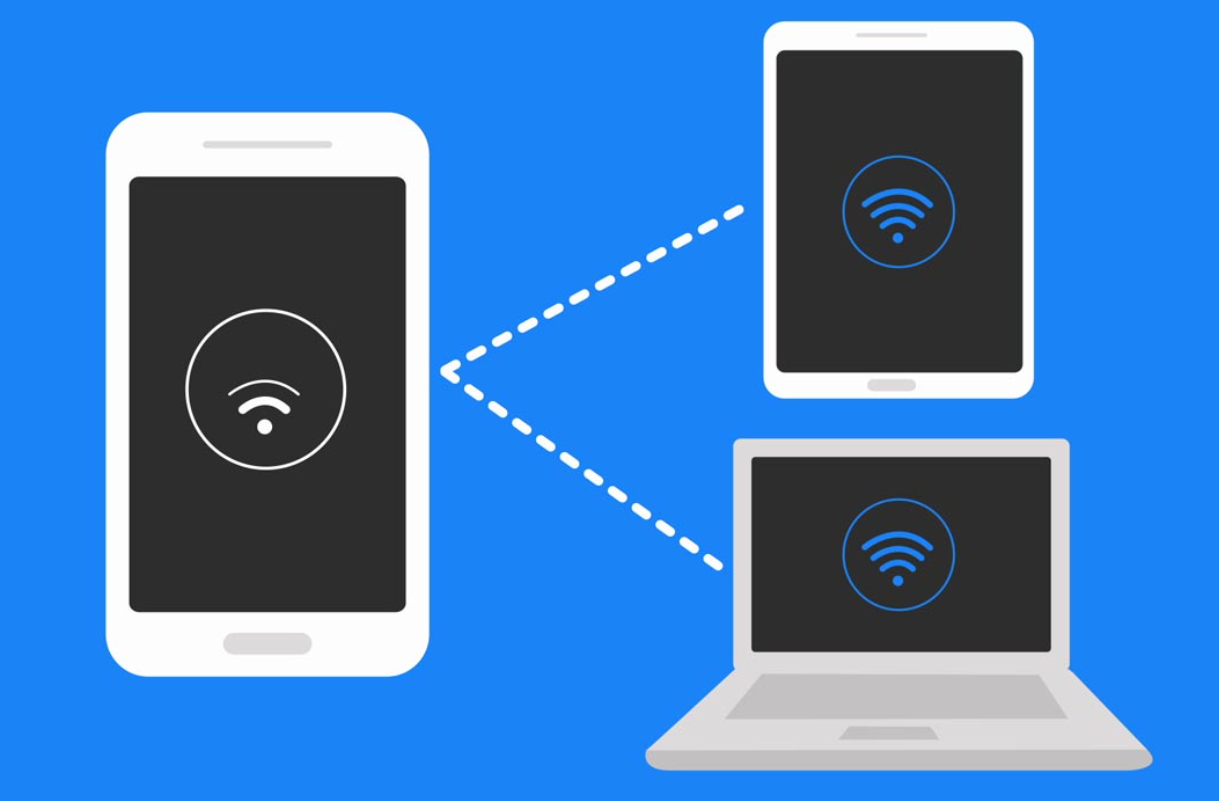
Recently, I found myself relying heavily on my smartphone’s hotspot feature. There were situations where I needed internet access on my laptop or tablet, especially when Wi-Fi was unavailable or unstable. At first, using my phone as a hotspot felt incredibly convenient. However, I quickly encountered a frustrating issue—my internet speed dropped significantly whenever I enabled tethering.

The problem became especially noticeable during tasks that required stable connectivity, such as video calls, file downloads, or even simple web browsing. Pages would load slowly, videos would buffer constantly, and online meetings would lag. In some cases, the connection would feel almost unusable.

What made this situation more confusing was that my mobile data itself seemed perfectly fine. When I used apps directly on my phone, the speed was relatively fast and stable. However, the moment I shared that connection through a hotspot, the performance dropped noticeably.

This led me to question whether the issue was related to my phone settings, network limitations, or something else entirely. Rather than immediately assuming that my device or data plan was insufficient, I decided to investigate the issue more thoroughly and find ways to improve hotspot performance without upgrading my plan or device.


As I began researching solutions, I explored a wide range of sources, including technical articles, online forums, video tutorials, and user discussions. While most sources acknowledged that hotspot slowdowns are common, the recommended solutions varied significantly.

Some guides strongly emphasized improving signal strength, suggesting that the quality of the mobile network connection was the most important factor. Others focused on limiting the number of connected devices, arguing that bandwidth sharing was the main cause of slow speeds.

There were also recommendations related to technical settings. For example, many sources advised switching from the 2.4GHz band to the 5GHz band for faster speeds. Meanwhile, other guides highlighted the importance of closing background apps, claiming that hidden data usage could reduce hotspot performance.

Additionally, some sources introduced alternative methods such as USB tethering, describing it as the most stable and fastest option compared to Wi-Fi hotspots. However, not all guides agreed on when this method was necessary.

Another area of difference involved carrier-related limitations. Some sources emphasized the possibility of data throttling, while others barely mentioned it.

Because of these variations, I realized that there was no single universally accepted solution. Instead, I needed to understand the reasoning behind each recommendation and determine which factors applied to my situation.


After comparing multiple sources, I began to understand why the advice differed so much. The primary reason is that hotspot performance depends on several independent factors, and each user may experience a different bottleneck.

For example, if a user has a weak mobile signal, then improving signal strength will have the greatest impact. In contrast, if the signal is already strong, the issue may lie in bandwidth distribution among multiple connected devices.

Similarly, the choice between 2.4GHz and 5GHz bands depends on the environment. The 2.4GHz band provides a longer range but slower speeds, while the 5GHz band offers faster speeds but requires closer proximity. Therefore, the effectiveness of each option depends on how and where the hotspot is being used.

Background data usage is another variable. Some users may have many apps running in the background, consuming bandwidth without their knowledge. In such cases, closing apps can significantly improve performance.

Carrier policies also play a major role. Certain data plans include limits on hotspot usage, after which speeds may be reduced. This explains why some users experience sudden slowdowns despite having a strong signal and optimal settings.

In summary, the variation in advice exists because hotspot performance is influenced by multiple factors, and each user’s situation is unique. Identifying the specific cause is essential for applying the correct solution.


Through careful testing and observation, I learned that improving hotspot performance requires a combination of adjustments rather than a single fix.

First, I confirmed that signal strength is the foundation of hotspot performance. By moving closer to a window and avoiding enclosed spaces, I was able to achieve a stronger and more stable connection, which immediately improved speed.

Second, I experimented with hotspot bands and found that switching to the 5GHz band made a noticeable difference when my devices were nearby. The connection became faster and more responsive, especially for tasks like streaming and downloading.

Third, I realized the importance of limiting connected devices. When multiple devices were connected simultaneously, the speed dropped significantly. By reducing the number of active connections, I was able to maintain better performance.

I also discovered that background apps were consuming data without my awareness. Closing unnecessary apps and disabling automatic updates helped free up bandwidth for the hotspot connection.

Additionally, I tested USB tethering and found it to be the most stable option. The wired connection eliminated wireless interference and provided a consistent speed, making it ideal for tasks that required reliability.

Finally, I became aware of the impact of overheating. When my phone became too hot, performance decreased. By keeping the device cool and avoiding heavy usage while charging, I was able to maintain better speeds.


After evaluating all the information and testing various solutions, I decided to adopt a balanced and practical approach to optimizing my hotspot usage.

My final setup included ensuring a strong mobile signal, switching to the 5GHz band when possible, limiting the number of connected devices, and closing background apps before enabling the hotspot. For tasks that required maximum stability, I chose to use USB tethering.

I selected this approach because it addressed multiple potential causes simultaneously rather than focusing on a single factor. Instead of guessing the root cause, I created a setup that minimized all common limitations.

As a result, I experienced a significant improvement in hotspot performance. Internet speeds became faster and more stable, and issues like lag and buffering were greatly reduced. Most importantly, I was able to achieve this without changing my data plan or purchasing additional equipment.


Through this experience, I learned that slow hotspot performance is not necessarily a limitation of the device itself, but often the result of suboptimal settings and environmental factors.

By understanding how different elements—such as signal strength, network bands, device connections, and background activity—affect performance, it is possible to significantly improve hotspot speed and reliability.

This process required careful research and experimentation, but the results were highly rewarding. With the right adjustments, using a smartphone as a hotspot can be both efficient and dependable, even in demanding situations.

Ultimately, a thoughtful and well-optimized setup can transform a frustrating experience into a reliable solution for staying connected anytime and anywhere.

I Thought My Phone Was Broken… But This Is Why the Screen Kept Turning On

Introduction

I experienced a strange and somewhat unsettling issue with my smartphone. Even when I was not touching the device, the screen would randomly turn on by itself. At first, I assumed it was a one-time occurrence, perhaps triggered by a notification or a minor system glitch. However, as the situation continued over several days, it became clear that this was not something I could ignore.

The problem occurred in various situations. Sometimes the screen would light up while the phone was lying on my desk. Other times, it would activate while inside my pocket, which made me concerned about accidental touches or even potential security issues. In addition, I noticed that my battery was draining faster than usual, which made the problem even more frustrating.

What worried me the most was the uncertainty. I did not know whether the issue was caused by a simple setting, a software bug, or even a hardware problem. The idea that something might be wrong with the internal sensors or the power button made me consider the possibility of needing repairs. However, before taking that step,

I decided to thoroughly research the issue and understand what was actually happening.


As I began looking for solutions, I explored a wide range of sources, including online tech articles, user forums, video tutorials, and official support pages. While many of these sources discussed similar symptoms, the explanations and recommended solutions varied significantly.

Some sources emphasized features like “Lift to Wake” or “Raise to Wake,” explaining that even slight movements or vibrations could trigger the screen. Others focused heavily on notifications, suggesting that apps constantly waking the screen were the primary cause. Meanwhile, certain guides pointed toward more technical explanations, such as faulty sensors or software instability.

There were also differences in how serious the issue was considered. Some guides treated it as a minor inconvenience that could be fixed in minutes through settings adjustments. In contrast, other sources warned that it might indicate hardware failure, recommending immediate inspection or repair.

Additionally, opinions varied on troubleshooting methods. Some suggested disabling multiple features at once, while others recommended a step-by-step approach to isolate the exact cause. A few sources even advised booting the phone in safe mode to identify whether third-party apps were responsible.

Because of these differences,

I realized that simply following one guide without understanding the reasoning behind it might not lead to an effective solution.


After reviewing multiple perspectives, I came to understand why the advice differed so much. The primary reason is that the same symptom—screen turning on by itself—can be caused by multiple underlying factors.

For example, modern smartphones include several convenience features designed to improve usability. Functions like “Lift to Wake” and “Double Tap to Wake” rely on motion and touch sensors. While these features are useful, they can sometimes be overly sensitive, especially in environments with frequent vibrations or movement.

Notifications are another major factor. Depending on the user’s settings and the number of installed apps, a phone may receive frequent alerts, each triggering the screen to turn on. For users with many active apps, this can create the impression that the phone is behaving abnormally.

Hardware conditions also play a role. If sensors such as the proximity sensor malfunction or become less accurate, the phone may misinterpret environmental changes and activate the screen unexpectedly. Similarly, issues with charging cables or unstable power connections can cause the device to wake up.

Software differences further complicate the situation. Different smartphone brands and operating system versions implement features in slightly different ways. As a result, the same setting may behave differently depending on the device.

In summary, the variation in advice exists because each user’s situation is unique. Without identifying the specific cause, it is difficult to apply a single universal solution.


Through careful testing and observation, I was able to identify several key insights about this issue.

First, I confirmed that certain built-in features were contributing to the problem. The “Lift to Wake” function was particularly sensitive, and even small movements on my desk were enough to activate the screen. Disabling this feature immediately reduced the frequency of unexpected wake-ups.

Second, I found that notifications played a larger role than I initially expected. Some apps were sending frequent alerts, and each one caused the screen to turn on. By managing notification settings and disabling unnecessary alerts, I was able to significantly reduce the issue.

Third, I tested the “Double Tap to Wake” feature and discovered that it could be triggered accidentally, especially when the phone was in my pocket. Turning this feature off further improved the situation.

I also learned that the “Always-On Display” feature could create confusion. Although it is designed to show limited information, it can give the impression that the phone is constantly turning on. Disabling it provided a clearer distinction between intentional and unintentional screen activity.

In addition, I performed a system restart and checked for software updates. These steps helped eliminate potential temporary glitches and ensured that the device was running the latest optimized version of the operating system.

Finally, I considered the possibility of third-party apps causing interference. By observing the phone’s behavior and being mindful of recently installed applications, I was able to rule out major app-related issues.


After evaluating all the information and testing different solutions, I decided to adopt a systematic and balanced approach rather than assuming a single cause.

My final setup included disabling “Lift to Wake” and “Double Tap to Wake,” managing notifications carefully, and turning off “Always-On Display.” I also ensured that my phone was updated to the latest software version and restarted regularly to maintain stable performance.

I chose this approach because it addressed the most common causes without requiring unnecessary changes or immediate hardware intervention.

Instead of focusing on one potential issue, I eliminated multiple triggers step by step, which allowed me to identify what actually made a difference.

As a result, the problem was almost completely resolved. The screen no longer turned on randomly, and my battery life improved noticeably. Most importantly, I no longer felt concerned about potential security risks or hardware failures.


Through this experience, I learned that issues like a phone screen turning on by itself are often less serious than they initially appear. While the behavior can be frustrating and even alarming, it is usually caused by built-in features or minor settings rather than major defects.

By taking the time to understand the possible causes and applying targeted solutions, it is possible to resolve the issue effectively without professional repair. This process also highlights the importance of understanding how modern smartphone features work, as convenience functions can sometimes lead to unintended behavior.

Ultimately, careful observation, comparison of different sources, and step-by-step testing allowed me to solve the problem confidently and efficiently.

My Phone Was Lagging Like Crazy in Games — Here’s How I Finally Fixed It

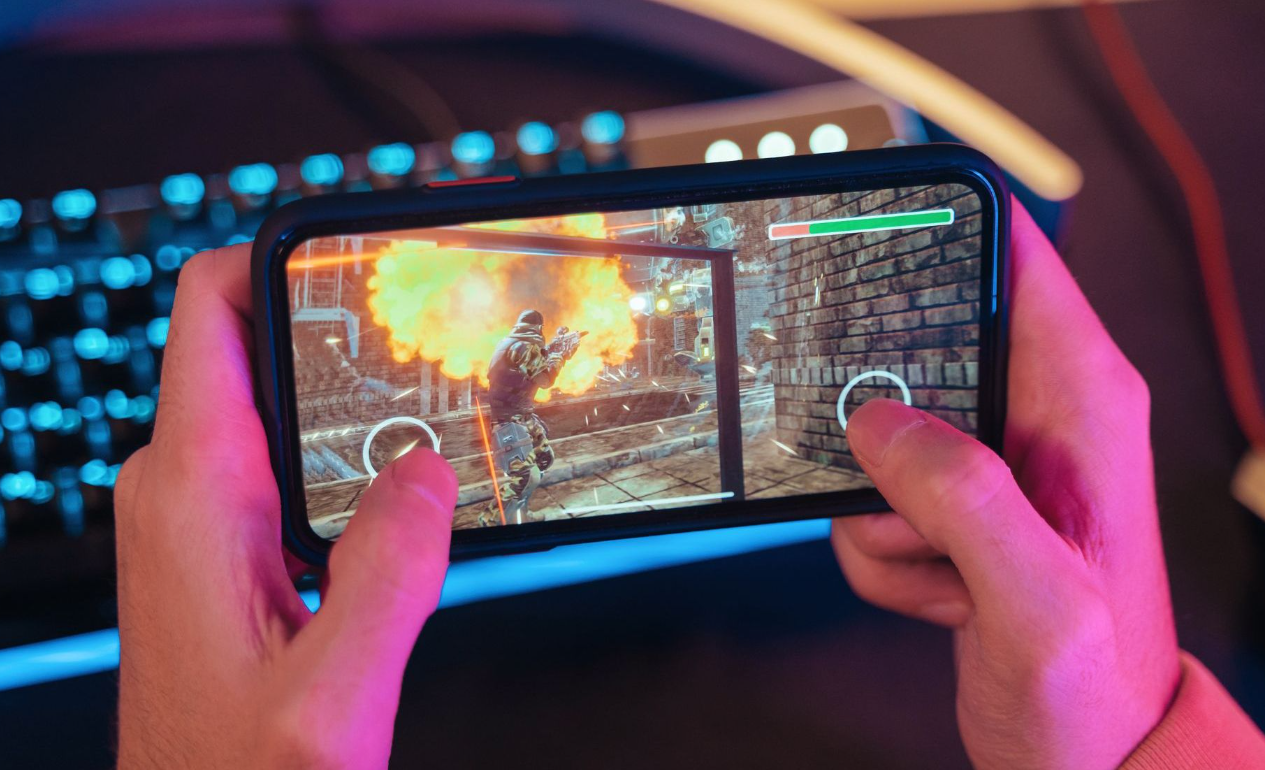
Recently, I started experiencing serious performance issues while playing mobile games on my phone. At first, I thought it was just a temporary glitch, but the problems quickly became consistent and frustrating. During gameplay, I noticed frequent frame drops, sudden lag spikes, and even overheating after just a short session. In competitive games especially, this became a major issue because even a slight delay could determine whether I won or lost.

What made things worse was that my device was not particularly old or low-end. It was a mid-range phone that should have handled most games reasonably well. However, despite lowering some settings, the performance remained inconsistent. At this point, I realized that simply blaming the hardware was not enough—

I needed to understand what was actually causing the problem.

This led me to start researching ways to improve mobile gaming performance. I wanted practical solutions that I could apply immediately without having to buy a new phone.


As I began searching for solutions, I came across a wide range of advice from different sources, including tech blogs, forums, YouTube videos, and community discussions. Interestingly, while many sources agreed on some basic ideas, there were also noticeable differences in recommendations.

Some guides strongly emphasized closing background apps as the most important step, claiming that RAM management was the key factor. Others focused more on thermal management, suggesting that overheating was the main cause of performance drops. Meanwhile, certain sources argued that network optimization was the most critical factor, especially for online multiplayer games.

There were also differences in how aggressively settings should be adjusted. For example, some recommended setting graphics to the absolute lowest level, while others suggested maintaining a balance between visuals and performance. Additionally, opinions varied on whether features like battery saver mode or system animations had a significant impact.

Because of these differences, I realized that simply following one guide might not be enough. I needed to understand the reasoning behind each suggestion.


After comparing multiple sources, I began to understand why the recommendations varied so much. The main reason is that mobile gaming performance is influenced by several different factors, and each device or situation may have a different bottleneck.

For example, if a phone has limited RAM, then background apps can significantly impact performance. In this case, closing apps would provide a noticeable improvement. However, if the device already has sufficient RAM, then this step may not make a big difference.

Similarly, overheating plays a major role in performance throttling. When a phone gets too hot, the system automatically reduces CPU and GPU performance to prevent damage. Therefore, users in warmer environments or those who play while charging are more likely to experience this issue.

Network conditions are another major variable. For online games, lag is often caused by high latency rather than hardware limitations. This explains why some guides focus heavily on Wi-Fi optimization rather than device settings.

In short, different advice exists because different users experience different primary issues. Understanding my own situation became essential.


Through deeper research and testing,

I learned that improving mobile gaming performance is not about a single solution, but rather a combination of optimizations.

First, I confirmed that closing background apps does help, especially before starting a game. It frees up system resources and reduces unnecessary CPU usage.

Second, adjusting in-game graphics settings made a significant difference. Lowering graphics while keeping the frame rate high provided a much smoother experience. I realized that visual quality is less important than stability during gameplay.

Third, I discovered that overheating was one of the biggest factors affecting my device. Playing while charging and keeping the phone in a case were contributing to higher temperatures. Once I removed the case and avoided charging during gameplay, performance improved noticeably.

I also learned that maintaining sufficient storage space is important. When storage is nearly full, system performance can degrade. Clearing unused files and cache helped improve overall responsiveness.

Additionally, I found that disabling unnecessary features such as Bluetooth, location services, and auto-sync reduced background activity and allowed the device to focus more on gaming.

Finally, enabling game mode features provided by the phone helped optimize performance automatically by blocking notifications and prioritizing system resources.


After testing various methods, I decided to adopt a balanced optimization approach rather than relying on just one solution. Instead of focusing only on graphics settings or only on network improvements, I combined several key strategies.

My final setup includes the following:

  • Closing all background apps before gaming
  • Setting graphics to medium or low while keeping frame rate high
  • Avoiding gameplay while charging and managing device temperature
  • Using a stable Wi-Fi connection whenever possible
  • Keeping at least 20–30% of storage free
  • Turning off battery saver mode and enabling performance or game mode
  • Disabling unnecessary background features

I chose this approach because it addresses multiple potential bottlenecks at once.

Rather than guessing the single cause of lag, this method ensures that all major factors are optimized.

As a result, I experienced a noticeable improvement in gameplay. Frame drops became less frequent, overall responsiveness improved, and overheating was reduced significantly. Most importantly, I was able to achieve this without upgrading my device.


Through this experience, I learned that mobile gaming performance issues are often misunderstood. Many people assume that poor performance means they need a new phone, but in reality, proper optimization can make a significant difference.

By understanding the underlying causes and applying the right combination of solutions, it is possible to reduce lag, increase FPS, and enjoy a much smoother gaming experience—even on mid-range devices.

This process required some trial and error, but the results were worth it.