
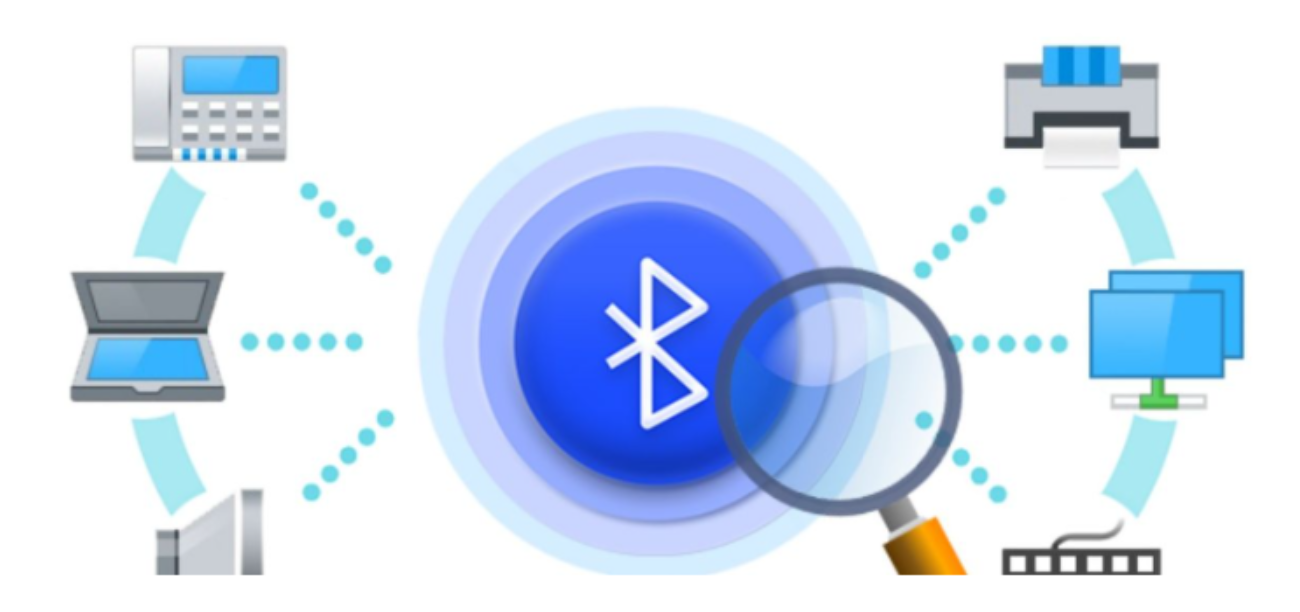
Recently, I started encountering a very frustrating issue with my device: Bluetooth pairing requests kept popping up repeatedly without any clear reason. At first, I thought it was just a temporary glitch, but the problem persisted throughout the day. Even when I was not actively using Bluetooth, a pairing notification would suddenly appear on my screen, interrupting whatever I was doing.
What made the situation more confusing was that the device name shown in the pairing request was sometimes unfamiliar. This raised a concern about whether someone nearby was trying to connect to my device without permission. Since I often use wireless earbuds and occasionally connect to speakers, I initially assumed it might be one of my previously paired devices trying to reconnect. However, the frequency of the pop-ups made it clear that something was not functioning properly.
At that point, I realized this was not just a minor inconvenience but potentially a security or system issue that needed to be addressed properly.
To solve the issue, I searched through multiple online guides, forums, and tech support articles. Interestingly, different sources suggested slightly different solutions.
Some emphasized simple fixes such as turning Bluetooth off and on again or restarting the device. Others focused on removing previously paired devices, claiming that outdated connections could trigger repeated pairing attempts. A few sources went deeper and recommended resetting network settings entirely, suggesting that corrupted Bluetooth cache data might be the root cause.
In addition, certain forums highlighted environmental factors. For example, users mentioned that in crowded places like apartments or public transportation, nearby devices might continuously attempt to connect, especially if the device is set to “discoverable” mode.
There were also security-focused recommendations, warning users not to accept unknown pairing requests and to disable visibility whenever possible.
At first, I was confused about why there were so many different explanations and solutions for what seemed like the same issue. However, after carefully comparing the information, I realized that the root cause of this problem can vary significantly depending on the situation.
For example, if the issue is caused by a previously paired device repeatedly trying to reconnect, then removing that device from the list would solve the problem. On the other hand, if the issue comes from corrupted system data, then simply restarting Bluetooth would not be enough, and a full reset of network settings would be necessary.
Similarly, if the cause is external—such as nearby devices attempting to connect—then adjusting visibility settings or changing location becomes more effective than internal fixes.
In other words, the reason different solutions exist is because this issue does not have a single universal cause.
Each method targets a specific scenario, and understanding the exact cause is key to solving it efficiently.
As I continued researching and testing different solutions, I gained a clearer understanding of how Bluetooth connections work.
First, I learned that Bluetooth devices often try to reconnect automatically once they have been paired. This feature is designed for convenience, but it can backfire if the connection repeatedly fails. In such cases, the system keeps attempting to complete the pairing process, which results in constant notifications.
Second, I discovered that Bluetooth cache data plays a significant role. Temporary data stored in the system can sometimes become corrupted, leading to unexpected behavior such as repeated pairing requests.
Third, I realized the importance of visibility settings. When a device is set to be discoverable, it essentially announces itself to nearby devices. This makes it easier for others to initiate pairing requests, which can lead to unwanted pop-ups.
Lastly, I became more aware of the security aspect. Accepting unknown pairing requests can potentially allow unauthorized devices to connect, which is something users should always avoid.
After trying several methods, I decided to take a step-by-step approach rather than relying on a single fix.
First, I removed all unused and unfamiliar devices from my Bluetooth list. This helped eliminate any automatic reconnection attempts from old devices.
Next, I restarted both my device and the Bluetooth function to clear temporary glitches. This alone reduced the frequency of the pop-ups significantly.
However, to ensure the issue would not return, I also disabled Bluetooth visibility so that nearby devices could no longer detect my device بسهولة. This step was particularly effective in preventing unknown pairing requests.
Finally, as a precaution, I reset my network settings. Although this required reconnecting to Wi-Fi and Bluetooth devices again, it completely cleared any corrupted data that might have been causing the issue.
I chose this combination of solutions because it addressed all possible causes—internal errors, stored data issues, and external connection attempts—rather than focusing on just one factor.
Through this experience, I realized that even a common issue like repeated Bluetooth pairing requests can have multiple underlying causes. Simply applying one quick fix may not always solve the problem completely.
By understanding how Bluetooth works and systematically testing different solutions, I was able to resolve the issue effectively.
More importantly, I learned how to prevent it from happening again by managing device connections and adjusting settings appropriately.
If you are facing a similar problem, I recommend identifying the most likely cause in your situation and applying the corresponding solution step by step. This approach will save time and lead to a more reliable result.